Eating the Fish That Could Kill You (Safely): A Fugu Pilgrimage to Shimonoseki
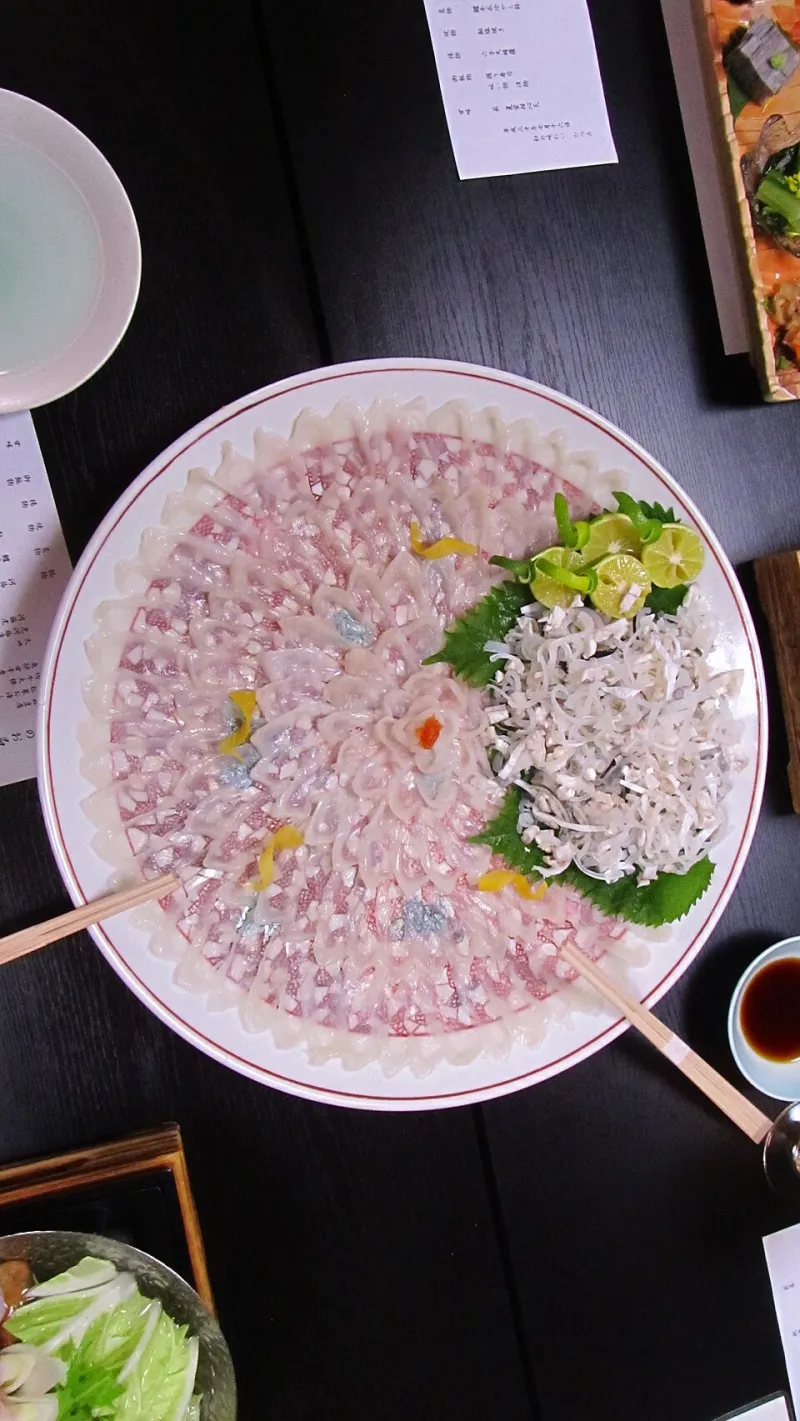
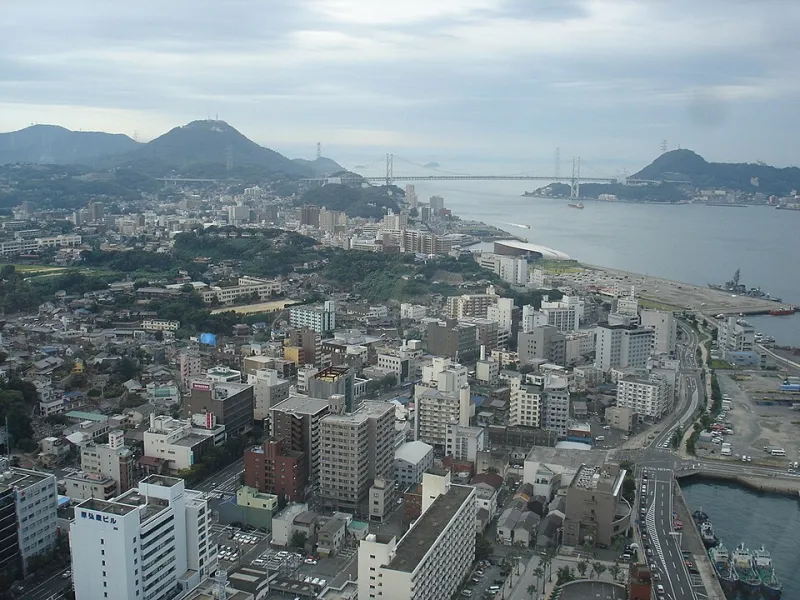
Photo: Maria-Yamaguchi, CC BY-SA 4.0, via Wikimedia Commons
Let's get the obvious question out of the way first: yes, fugu is the pufferfish. Yes, parts of it are toxic. And no, you're not going to die eating it in Shimonoseki — a city that has been preparing it, legally and obsessively, longer than anywhere else on the planet.
If you've ever watched a travel show and thought "I'd try that," this is your sign. Think of fugu the way New Yorkers think about a first bagel from a legendary deli counter: the version back home doesn't count. You have to come to the source.
Why Shimonoseki Owns Fugu
Japan eats the vast majority of the world's pufferfish, and Shimonoseki, at the southwestern tip of Honshu, lands the lion's share of it. The city's fugu heritage goes deep — fishermen here have hauled tiger pufferfish (torafugu, the prized species) out of the Kanmon Strait for generations, and the local samurai-era history with the fish is the stuff of legend. Today, the city even has a fugu-themed mascot, a shrine dedicated to the fish, and streetlights shaped like puffers. This isn't a novelty. It's civic identity.
Crucially, every fugu chef in Japan must be licensed after years of training, and the fish is processed in tightly regulated facilities. The risk you've read about is real in theory and essentially nonexistent in practice at any established restaurant or market stall.
Karato Market: Go at Dawn, Eat Like a Local
Karato Market, right on the waterfront near the iconic red Kanmon Bridge, is the beating heart of it all. Tuna auctions start early — around 8 a.m. — and by mid-morning the market's famous stalls transform into an open-air food court where you can graze on fresh sashimi, sea urchin, grilled scallops, and, of course, fugu.
Here's the beautiful part for budget travelers: fugu at Karato costs a fraction of what you'd pay at a high-end Tokyo restaurant, where a full multi-course fugu dinner can easily top $150. At the market, you can sample fugu sashimi (tessa) for roughly $10–20, or grab a bowl of fugu chirinabe — pufferfish hot pot — for similar prices.
Practical tips:
- Arrive by 7:30–8 a.m. to catch the tuna auction energy and beat the crowds.
- Bring cash; many stalls don't take cards.
- Eating is standing-room at counters around the market — that's the tradition, so embrace it.
- Fridays, Saturdays, and Sundays are the liveliest days; some stalls run on quieter weekdays.
- Afterward, walk it off along the Kaikyo Yume Tower waterfront or cross into Mojiko, the retro port town across the strait.
So What Does It Actually Taste Like?
Honest answer: fugu is less about explosive flavor and more about texture and subtlety. The sashimi — sliced paper-thin, often arranged like a chrysanthemum — is translucent, springy, and faintly sweet, with a clean finish that makes soy sauce and ponzu almost unnecessary. It's firmer than most white fish, almost bouncy, and the thrill of the first bite does half the seasoning work.
The hot pot (techiri) is where fugu gets soulful. Simmered with vegetables in kombu broth, the flesh turns tender and the bones make a rich, restorative broth. Traditionalists finish by tossing the rice into the leftover broth for a porridge-like finale that rivals any ramen hangover cure.
Worth the Flight?
If Tokyo sushi is on your food bucket list, fugu in Shimonoseki belongs right next to it — maybe even above it. Sushi you can find in Des Moines. Fugu, done properly, at its historic home, at market prices, with a view of one of Japan's busiest straits? That's a story you'll be telling at dinner parties for years.
Getting there is easier than you'd think: Shimonoseki is a couple of hours by shinkansen and local lines from Fukuoka, which has direct flights connecting through major Asian hubs. Come hungry, wake up early, and order the sashimi first. The fish that once scared emperors is waiting — and this time, it's perfectly safe.