Pedal Power Across the Kanmon: Cycling the Strait on Two Wheels and a Handful of Coins
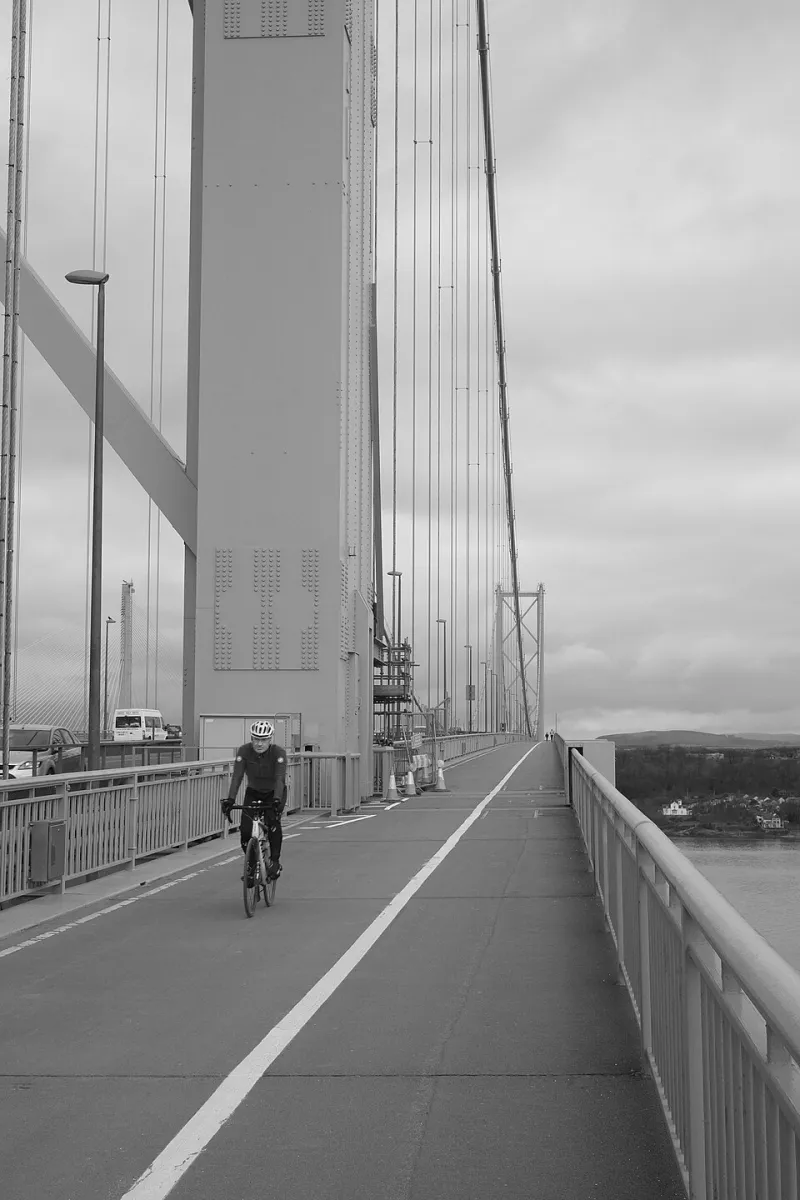
Photo: John Winder , CC BY-SA 2.0, via Wikimedia Commons
There's a particular thrill that comes from crossing a state line under your own power — think biking across the Golden Gate and realizing you've earned your view. Now imagine that, but the 'state line' is a busy international shipping strait and the two landmasses are the main islands of Japan. That's the Kanmon Strait crossing by bicycle, and it's one of the most underrated active-travel experiences in western Japan.
Yes, You Can Actually Bike Across
The Kanmonkyo Bridge — the big suspension span connecting Shimonoseki on Honshu to Kitakyushu's Moji ward on Kyushu — carries highway traffic on its deck, but tucked underneath the road surface is a dedicated pedestrian and bicycle walkway. It runs about 780 meters across the water, and it's been quietly operating for decades.
The route is officially called the Kanmon Strait Crossing Path (Kanmon Kaikyo Renraku Road for walkers and riders). On the Shimonoseki side, you access it near the Mekari area; on the Kyushu side, you come up through Moji. It's not a loop — you ride or walk one direction on the lower deck and there are separate lanes, so it feels more like a bridge with two one-way streets than a sidewalk.
The Logistics, Without the Headache
Getting a bike: Shimonoseki has several rental options near Shimonoseki Station and around the Karato waterfront area. Expect to pay somewhere in the neighborhood of 1,000–2,000 yen for a full day, depending on the shop and the bike. Some guesthouses and hotels also loan bikes to guests for free or cheap — always worth asking. If you're starting from the Kyushu side, Mojiko's retro port district has rentals too, and the area is flat and pleasant for warm-up miles.
The toll: This is the part that surprises American riders — the crossing fee is a few hundred yen at most, paid at the toll area on either end. We're talking pocket change, not bridge-and-tunnel money. Check current rates before you go, but budget less than the cost of a convenience store coffee.
Timing and conditions: The walkway has posted hours (generally daytime, roughly 6 a.m. to 10 p.m., though confirm seasonal schedules). Wind is the real variable here. The strait funnels sea breeze between the two islands, and on gusty days the crossing can feel like a spin class with opinions. Check the forecast, and if the walkway closes for high winds or weather, don't push it — the train tunnel underneath is the fallback, and bikes are allowed on local trains with a bike bag (called rinko bukuro) if you pack the wheels.
What the Ride Actually Feels Like
The approach ramps wind up through green hillside before you pop out onto the span, and then the strait opens up beneath you. Cargo ships the size of small neighborhoods slide through the channel below. Ferries cut white wakes across the current. On a clear day you can spot the Kanmon Strait's famous whirlpool-adjacent currents doing their thing near Mekari.
The ride itself takes most people 10 to 20 minutes depending on wind and how many photo stops you make (you'll make several). It's a shared path, so yield to pedestrians, keep your speed in check on the descents, and don't try to film a cinematic while riding — the railings are close and the drop is real.
Making a Day of It
The genius of this crossing is that both ends are destinations.
Start in Shimonoseki: Fuel up at Karato Market in the morning — grilled skewers and fresh sashimi make a better pre-ride breakfast than any energy bar. If fugu (blowfish) is on your bucket list, this is the town for it, and plenty of spots serve it cooked if raw isn't your thing.
Pedal across: The main event. Take your time.
Land in Mojiko: The retro port district is basically a reward built into the route. Brick warehouses, a beautifully restored 1912 train station, and — because Japan — banana soft serve, a nod to the port's history as a banana shipping hub. Grab coffee in an old customs building and watch the water.
If you've got legs left, the Kyushu side connects easily to Kokura by train or bike paths, or you can ride back across and make it an out-and-back. Round trip is very doable for moderately fit riders; the whole thing is maybe 20–25 kilometers depending on your starting point.
Who This Is For
If your Japan itinerary is all Shinkansen and Suica taps, this is the palate cleanser. It's cheap, it's slow, it's the kind of story you tell back home — 'I biked between two of Japan's four main islands.' For US travelers used to closed-off bridges and 'no pedestrians' signs, the novelty of legally pedaling across a major suspension bridge over an international shipping channel doesn't wear off.
Bring a light layer, check the wind, carry a few hundred yen in coins, and go earn your view.