Skip the Guidebook, Follow the Festival Calendar: Shimonoseki's Oddest Annual Events
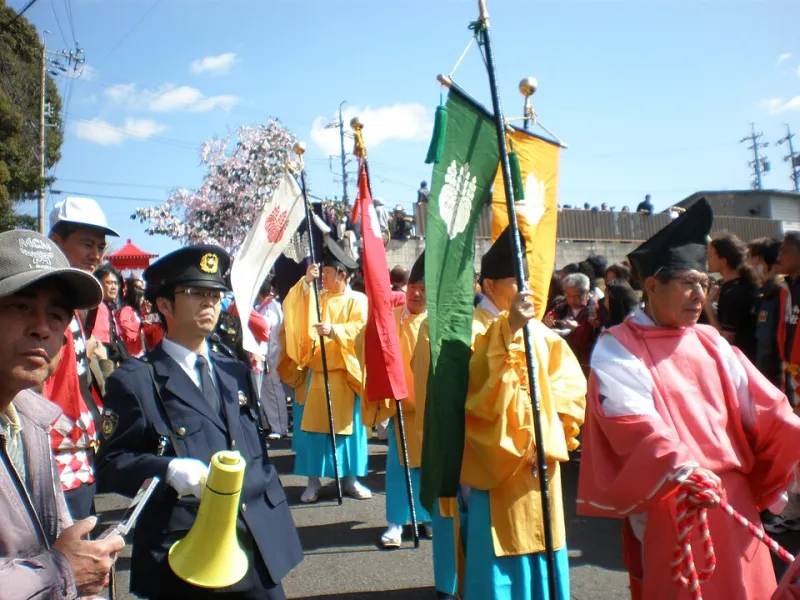
Photo: KKPCW, CC BY 3.0, via Wikimedia Commons
Most American travelers plan a Japan trip around cherry blossoms or fall foliage, then hope something interesting happens while they're in town. Flip that. In Shimonoseki, the festival calendar is quirky enough — and reliable enough — that you can build the whole itinerary around it. The strait, the fish, the history will all still be there the day after. The puffer fish parade won't be.
The Fugu Festival: When a Deadly Fish Gets a Parade
Every February, Shimonoseki celebrates the one thing it's known for worldwide: blowfish. The Shimonoseki Fuku Festival (yes, "Fuku" — a deliberate pun on fugu and fukubukuro, the lucky bag) takes over the area around Karato Market and the waterfront in early February, timed to the peak of fugu season.
What actually happens: a costumed parade with a giant inflatable puffer fish, stalls grilling fugu and ladling out hot fugu-chiri hot pot samples, and a crowd that's heavily local. This is not the tourist throng you'd find at a Kyoto festival. If you've been nervous about trying fugu (see our separate field guide for the nervous eater), this is the gentlest possible on-ramp — the atmosphere is carnival, not fine dining.
Timing note: Early February, exact dates announced a month or two out on the city's tourism site. Bring layers — it's strait-side winter, which means wind off the Kanmon that will cut through a windbreaker.
Gongen-Sumo: Shrine Sumo With Centuries of Pedigree
Sumo in Japan usually means either a big-city tournament or a TV in an izakaya. Shimonoseki offers a third option: Gongen-sumo at Toyoura's Kogushi Sumiyoshi Shrine, a ritual sumo tradition that stretches back hundreds of years.
Held in the spring and again in autumn depending on the shrine calendar, the bouts are part sport, part Shinto ritual — wrestlers enter with ceremonial purification, and the ring itself is consecrated ground. Some matches involve local school-age and amateur wrestlers, which gives it a community feel closer to a small-town high school rivalry night in the US than a professional sporting event.
You'll likely be one of a handful of foreign visitors. That's the point. There's no English signage, no merchandise stand, and no barrier to standing a few meters from the action. Check the shrine's festival dates before booking — like many ritual events, they don't always align neatly with a weekend.
The Rice Cake Summit: Mochi, Airborne
Japan's shrine festivals almost always involve mochi-nage — the ritual throwing of rice cakes from a stage into the crowd — but Shimonoseki's larger events turn it into a full-contact scavenger hunt. During autumn shrine festivals across the region, including celebrations at local shrines near the Kanmon waterfront, rice cakes are launched from elevated platforms into a sea of outstretched arms.
For US travelers, the closest mental model is a Mardi Gras parade: catch what's thrown, keep what you catch, mind the elbows of the person next to you. The mochi is wrapped and edible — locals take it home and toast it. If you catch one, catching one is genuinely considered good luck.
Planning Around the Calendar
A few practical realities for festival-first trip planning:
- Book early for February. Hotels on both sides of the strait fill up around the Fugu Festival weekend, and it's also peak fugu-eating season, so restaurant reservations matter too.
- Verify dates, don't guess. Shrine festivals run on lunar-adjacent traditional calendars. The Shimonoseki tourism office and the Kanmon area's English resources post confirmed dates, usually one to two months ahead.
- Festivals here are compact. Most events run a half day, which means a festival morning leaves you an afternoon for the Karato Market, the undersea tunnel, or an evening in Mojiko across the water.
- Crowds are manageable. Outside of the fireworks festival in August, you're rarely fighting major tourist traffic. Locals outnumber visitors at most of these events.
Why Time It This Way
The Kanmon region rewards travelers who treat it as a destination rather than a stop between Hiroshima and Fukuoka. Its festivals — a lethal fish celebrated with mascots, ritual sumo at a quiet shrine, rice cakes raining from the sky — are exactly the kind of experiences that don't survive on a guidebook page. They need you standing there, in the wind off the strait, catching mochi out of the air.
Pick a date. Book the room. Let the festival do the rest.