So You Want to Eat Fugu: A Nervous Eater's Field Guide to Shimonoseki
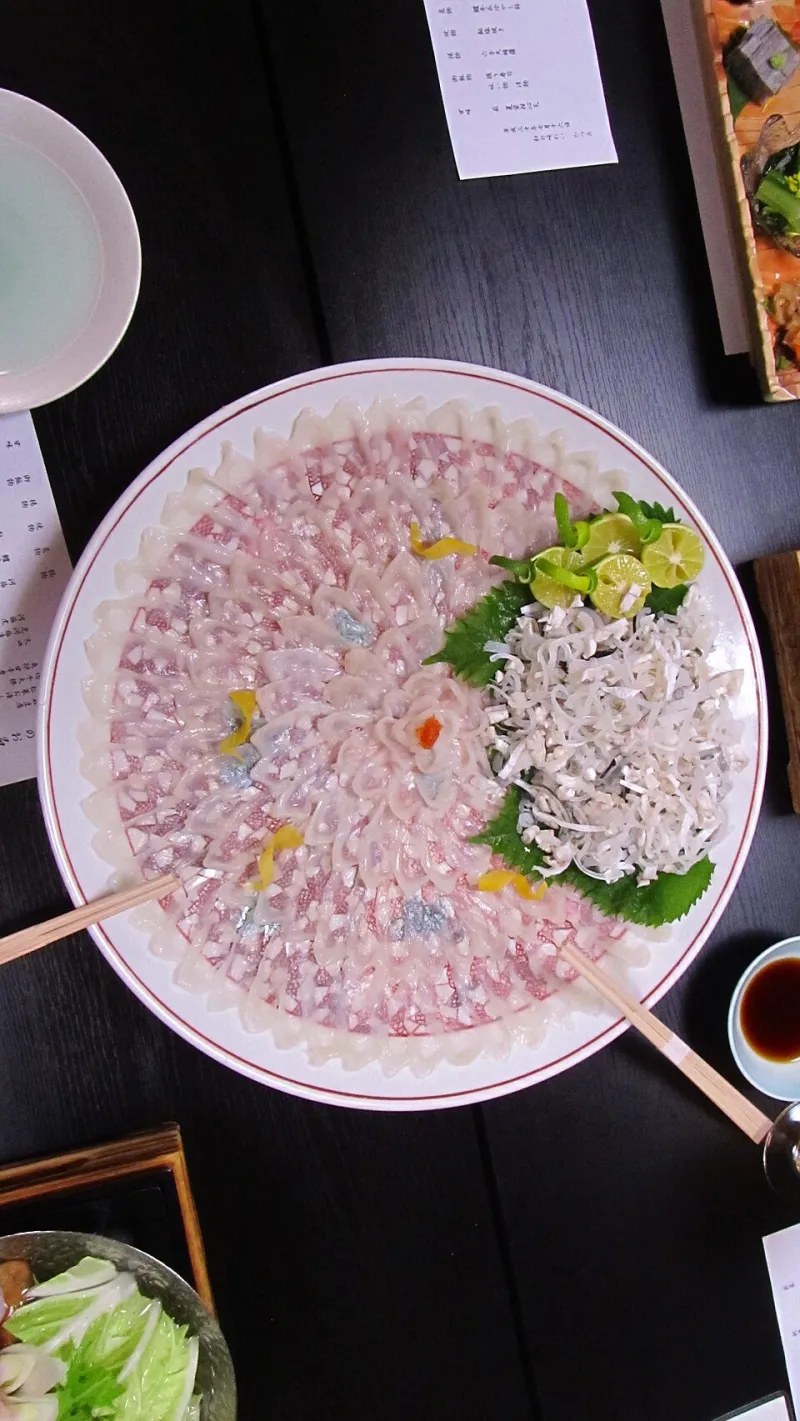
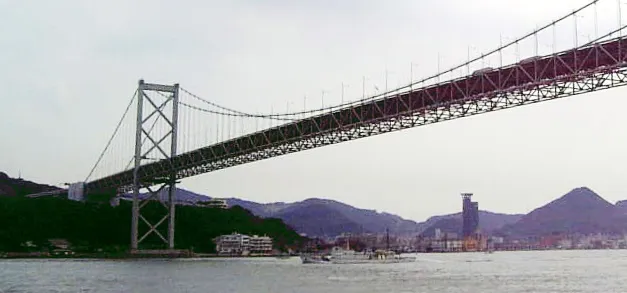
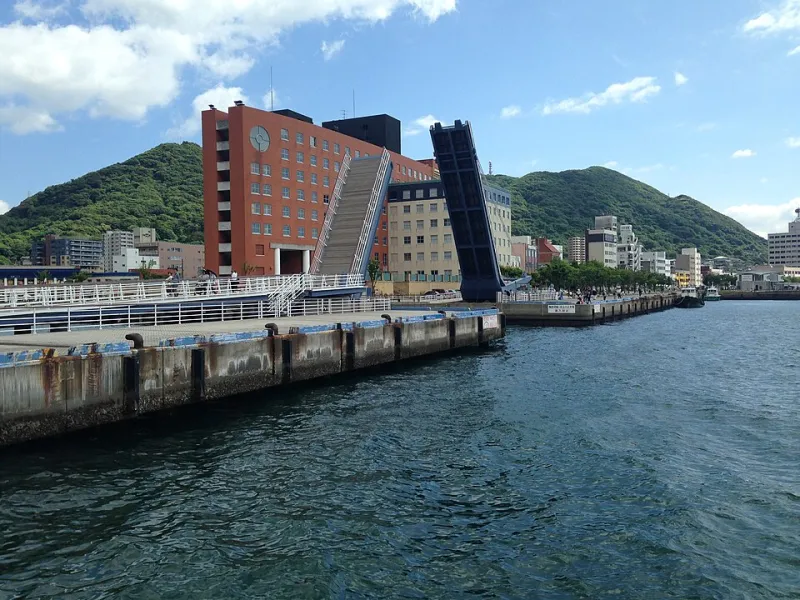
Photo: Maria-Yamaguchi, CC BY-SA 4.0, via Wikimedia Commons
Let's address the elephant — or rather, the blowfish — in the room. You've heard the stories. You've maybe seen the Simpsons episode. The fish that can kill you, served in a country famous for its food safety. And now you're standing in Shimonoseki, the fugu capital of Japan, wondering whether to go for it.
Deep breath. Here's the honest, panic-free rundown.
First, the Safety Talk (So We Can Move On to the Fun Stuff)
Yes, certain organs of the fugu contain tetrodotoxin, a toxin with no antidote. No, this does not make eating fugu in Japan a dare. Fugu chefs here train for years and must pass a rigorous licensing exam before they're allowed to prepare it. In Shimonoseki specifically, the fish is so central to the city's identity that it's practically municipal policy — the local fugu association and health standards are among the strictest in the country.
The realistic risk at a licensed restaurant in Shimonoseki is roughly the same as the risk of your flight home having turbulence. The famous deaths are mostly old stories or people who caught and prepared the fish themselves. Order at a proper restaurant and you'll be fine. Promise.
Where the Fish Comes From
Shimonoseki's fugu game is serious. The city handles the largest volume of fugu in Japan, and much of what you'll eat is farm-raised locally — specifically tiger pufferfish (torafugu), the prized species. Farm-raising matters: it produces consistently safe, well-fattened fish. The strait's strong currents and the fish's ceremonial status here (samurai once risked their lives eating it; the shogunate even banned it for centuries) mean Shimonoseki treats fugu with a reverence you won't find elsewhere.
What It Actually Tastes Like
Brace yourself for the anticlimax: fugu is subtle. The raw sashimi — called tessa, sliced paper-thin and often arranged like a chrysanthemum — has a clean, faintly sweet flavor with a pleasantly chewy, almost snappy texture. Think high-quality white fish with a whisper of the sea. The thrill isn't the flavor; it's the ritual, the presentation, and the fact that you're eating it here, where it belongs.
The Preparations, Ranked for Beginners
Tessa (sashimi): The iconic dish. Thin, translucent slices served with ponzu and garnishes. The place to start.
Fuguchiri / tetchiri (hot pot): Simmered fugu with vegetables in a kombu broth. The fish firms up beautifully, and the broth is deeply savory. Comfort food, honestly.
Fugu hire-zake: Hot sake poured into a bowl containing toasted fugu fin. Sounds like a gimmick; tastes like smoky, toasty magic. Order one.
Karaage: Deep-fried fugu. Crispy, rich, and the gateway dish for the truly skittish.
Where and How Much
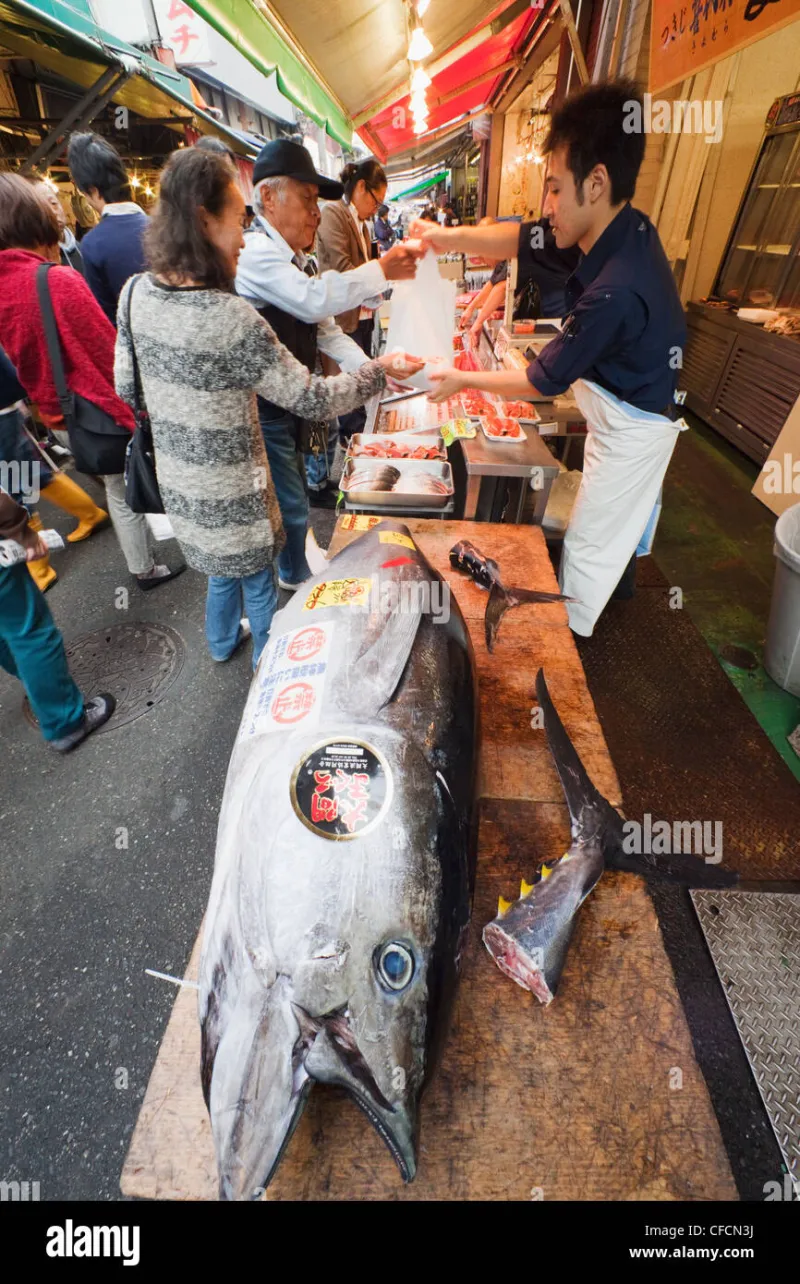
Karato Market area: The tourist-friendly starting point. Around the market and the surrounding arcades you'll find casual spots serving fugu sets at accessible prices — think lunch sets in the ¥3,000–6,000 range (roughly $20–40). Great for a first taste without ceremony.
Downtown Shimonoseki (Sakaigawa / station area): Mid-range fugu restaurants where a full course — sashimi, hot pot, porridge finish — runs ¥8,000–15,000 (roughly $55–100). This is the classic experience.
Splurge territory: Specialty counter restaurants offer full omakase fugu courses for ¥15,000 and up. Save it for a special night.
Winter (roughly December through February) is peak fugu season, when the fish is fattest and prices are most competitive.
A Final Word for the Skittish
Nobody in Shimonoseki will think less of you for ordering the fried version first. Start small, work up to the sashimi, and finish with hot pot. By the end of the meal, you'll wonder what all the fuss was about — and you'll have eaten the one Japanese delicacy you literally cannot properly experience anywhere else in the world. Kanpai.