Tuna, Tea, and a Strait Full of Boats: Your Morning at Karato Market
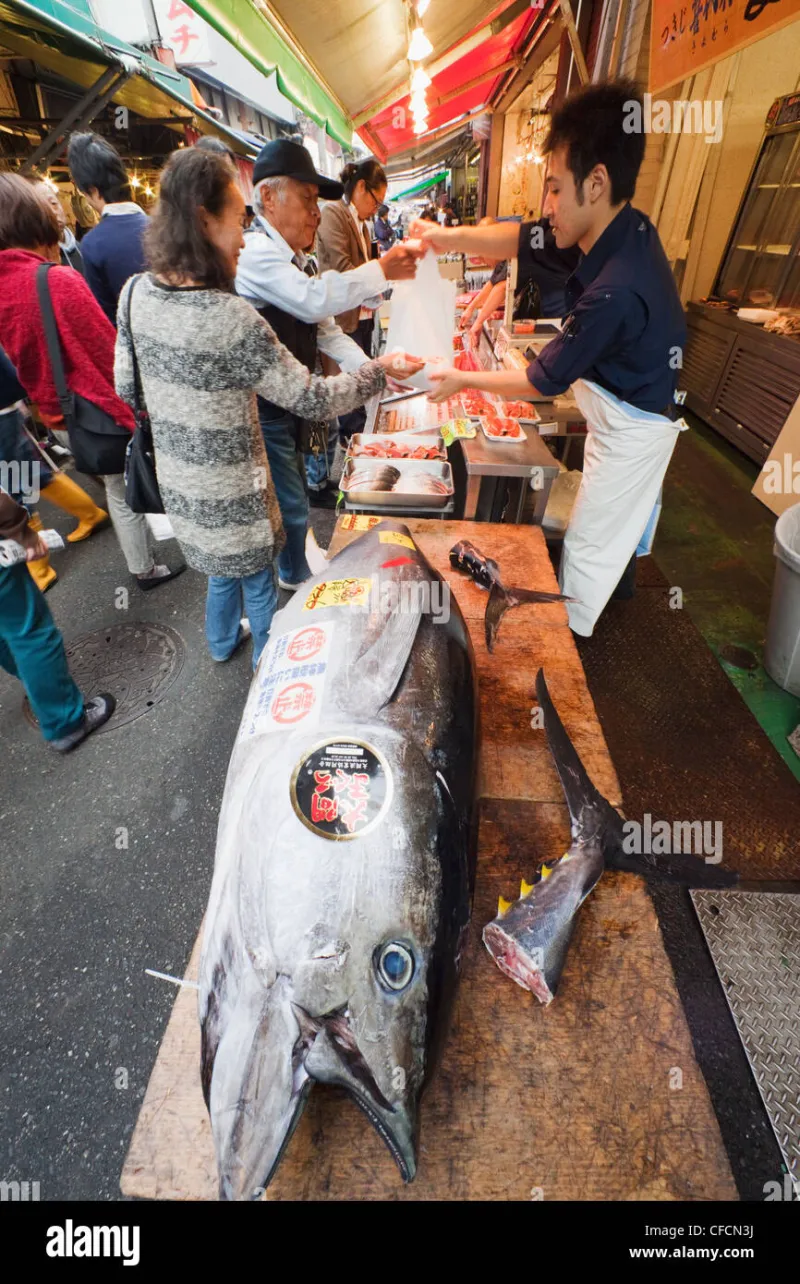
Photo: Japanese fish market fresh sushi tuna rice bowl stall morning, via c8.alamy.com
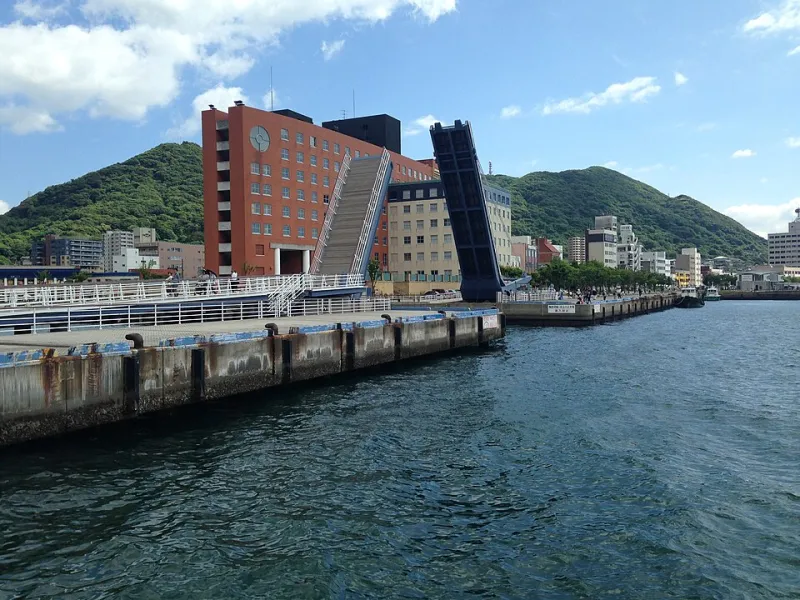
Here's a scenario that plays out in Shimonoseki every morning of the week: the sky is still gray, the Kanmon Strait is busy with fishing boats and freighters, and inside a no-nonsense building on the waterfront, the day's catch is being sorted, priced, and sold. By mid-morning, much of it will have been sliced, pressed onto rice, and handed to you across a market stall counter for less than the cost of an airport sandwich.
Welcome to Karato Market — the best breakfast in Japan that most American travelers have never heard of.
Getting There Before the Good Stuff Sells Out
Karato sits right on the Shimonoseki waterfront, a short walk from the Kanmon Strait and easily reached by bus from Shimonoseki Station. The market's rhythm matters, so let's talk timing:
- Around 6 a.m. — The wholesale side of the market wakes up. This is when you can watch the working market in action: vendors inspecting tuna, calling out prices, hauling crates. It's less formal than Tokyo's famous tuna auction but far more accessible — you can stand close enough to hear the ice cracking.
- 8 a.m. onward — The retail stalls open and the sushi counters start serving. This is prime time.
- By 10–11 a.m. — The best pieces are gone. Serious eaters know this, and the market thins out fast.
If you're coming from Fukuoka or Kitakyushu, this means an early start. Trust us: it's worth it. Set an alarm, grab a coffee from a convenience store, and get there while the tuna is still glistening.
What to Actually Order
Karato's signature move is the kaisendon — a rice bowl buried under a generous heap of raw seafood. At many stalls you'll see a flat-price system where the toppings are stacked high for a single price, often in the 1,000–1,500 yen range. For context: a comparable bowl in Tokyo's higher-profile markets can run double.
A few ordering strategies:
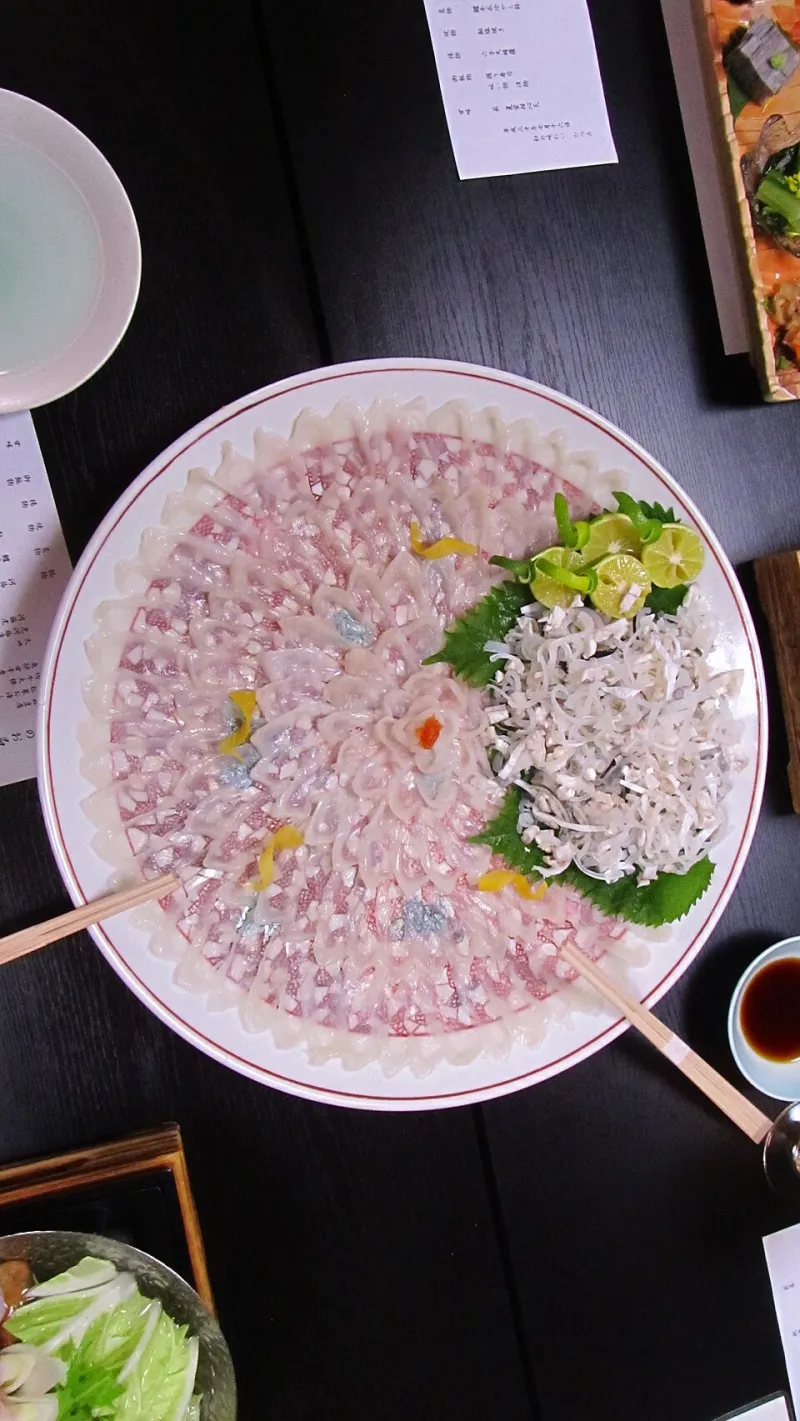
- Go for the local catch. Shimonoseki is famous for fugu (pufferfish), and some stalls serve it in season — winter is peak. If raw fugu sounds intimidating, even the cooked versions here are worth trying.
- Look for what's moving. The stalls with the longest lines of locals are the ones to join. This is a working market, and locals don't wait for mediocre fish.
- Don't skip the uni and ikura, if they're on offer. Sea urchin and salmon roe at this freshness level are a different food than what makes it to the US.
And here's the detail that makes Karato special: you can eat your purchase outdoors, on the market's waterfront deck, with an unobstructed view of the Kanmon Strait and the Moji skyline across the water. Sushi with a harbor panorama, for breakfast, at street-market prices. That combination doesn't exist in Tokyo at any price.
After Breakfast: Walk It Off
One of Karato's underrated advantages is location. You're steps from some of Shimonoseki's best sights, all walkable:
- Akama Shrine — A striking vermilion-and-white seaside shrine, five minutes away, dedicated to the Emperor Antoku, whose story is tangled with the strait's naval history.
- The Kanmon Strait waterfront — Follow the promenade east and you'll pass under the shadow of the Kanmonkyo Bridge. Watch the ships thread the channel; the current here is genuinely impressive.
- Kaikyo Yume Tower — A short walk away, with an observation deck that gives you the whole strait laid out beneath you — the perfect way to appreciate the geography you just ate breakfast above.
Why Karato Beats the Big Names
Tokyo's Toyosu and the legacy of Tsukiji get all the international press, and they're worth visiting. But they're also crowded, expensive, and increasingly curated for visitors.
Karato is none of those things. It's a genuine regional market serving a working port town, where the fish was swimming in the strait you're looking at, possibly that morning. The vendors aren't performing for tourists — they're just really, really good at what they do.
For American travelers making the western Japan loop between Fukuoka and Hiroshima, Shimonoseki is an easy stop, and Karato is the reason to arrive hungry and early.
Set the alarm. The tuna won't wait.