Two Islands, One Sky: Why the Kanmon Fireworks Festival Belongs on Your Summer Japan List
Photo: European Space Agency, CC BY-SA 3.0 igo, via Wikimedia Commons
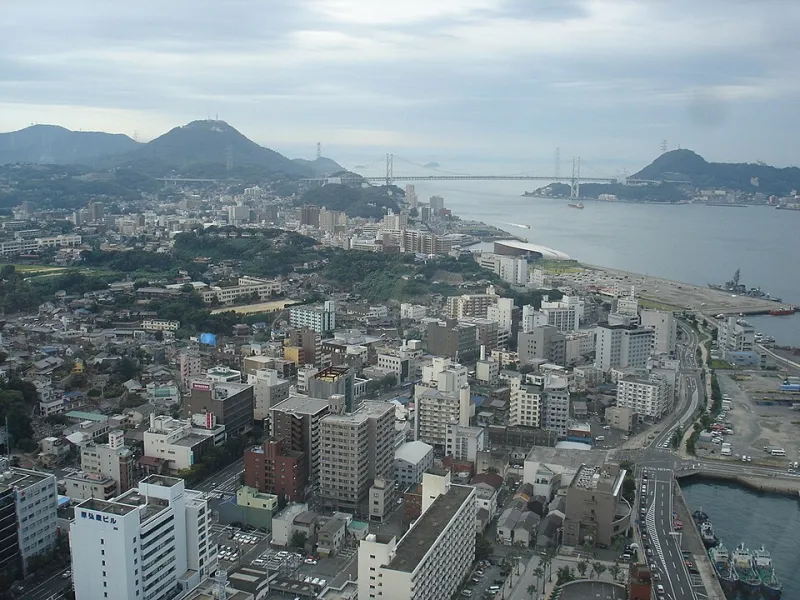
Picture this: you're standing on a waterfront promenade in western Japan, the air thick with the smell of grilled squid and the hum of a crowd that's been waiting all day. In front of you, a strip of water barely 600 meters wide — a strait plied by cargo ships, ferries, and fishing boats around the clock. At 8 PM, both shores erupt at once. Not a metaphor. Shimonoseki on Honshu and Kitakyushu on Kyushu fire their fireworks simultaneously, and for about an hour, the Kanmon Strait becomes the most dramatic reflecting pool in Japan.
If you're an American traveler building a summer Japan itinerary, this is the kind of event that doesn't show up in the guidebooks' top ten — and that's exactly why you should go.
What Exactly Is This Festival?
The Kanmon Straits Fireworks Festival (Kanmon Kaikyo Fireworks Festival) is a joint production between two cities in two different prefectures. Shimonoseki, in Yamaguchi, sits on the northern bank of the strait; Kitakyushu's Moji and Kokura districts face it from Kyushu. Every year — typically in mid-August — both sides launch coordinated displays, with several thousand fireworks blooming over the water simultaneously.
Because the strait is so narrow, you don't just watch the show from your side. You see the other city's fireworks too, framed by city lights, bridge cables, and the occasional passing ship. It's like watching two rival baseball stadiums trade home runs, except the score doesn't matter and everyone wins.
Choosing Your Side: Shimonoseki or Kitakyushu?
There's no wrong answer, but there are different vibes.
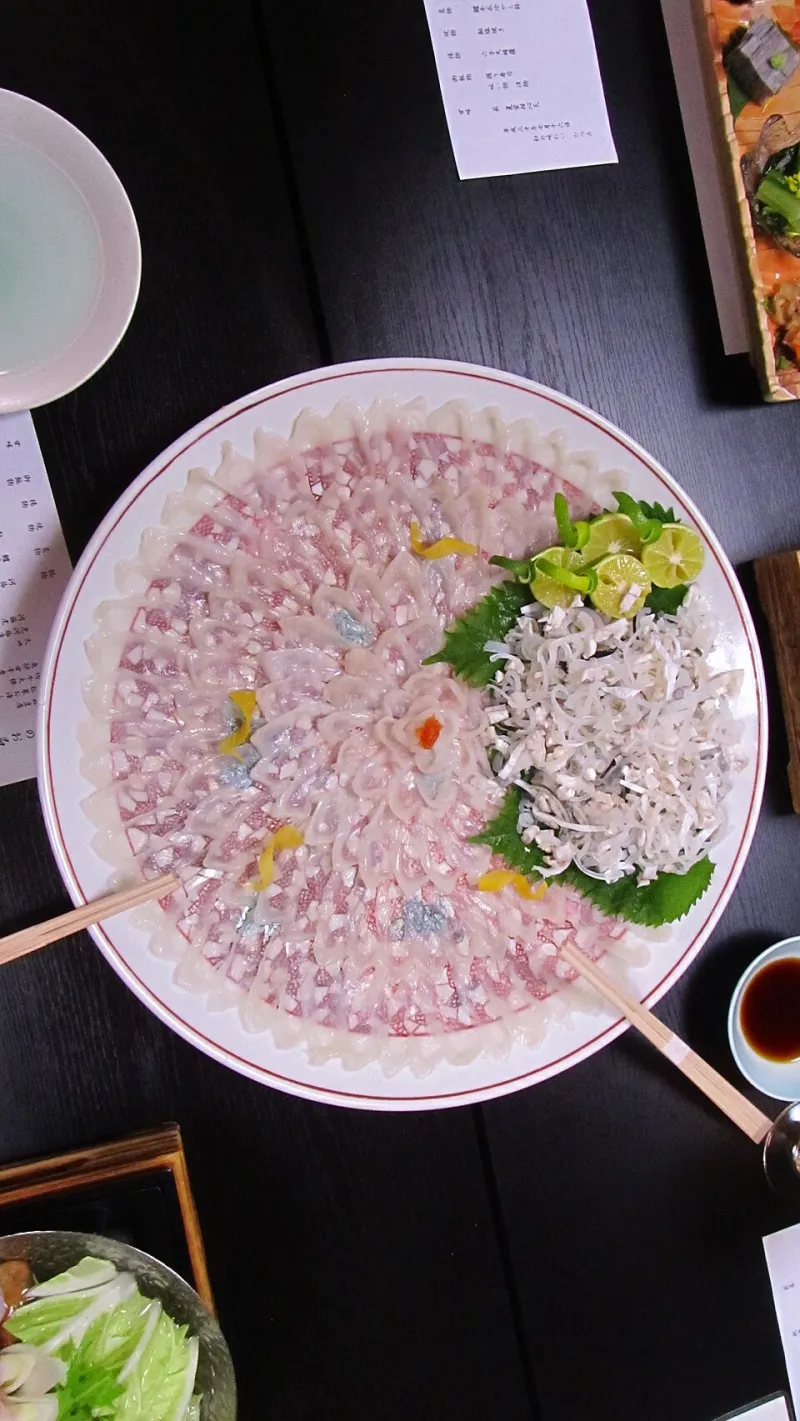
Shimonoseki side: The area around the Kanmon Strait is compact and walkable. Crowds gather along the waterfront near the Akama Shrine area and the parks overlooking the strait. You're close to the fugu (pufferfish) restaurants this city is famous for, so you can make an early dinner of it. The Shimonoseki side tends to feel a bit more relaxed, with wide-open views down the length of the strait.
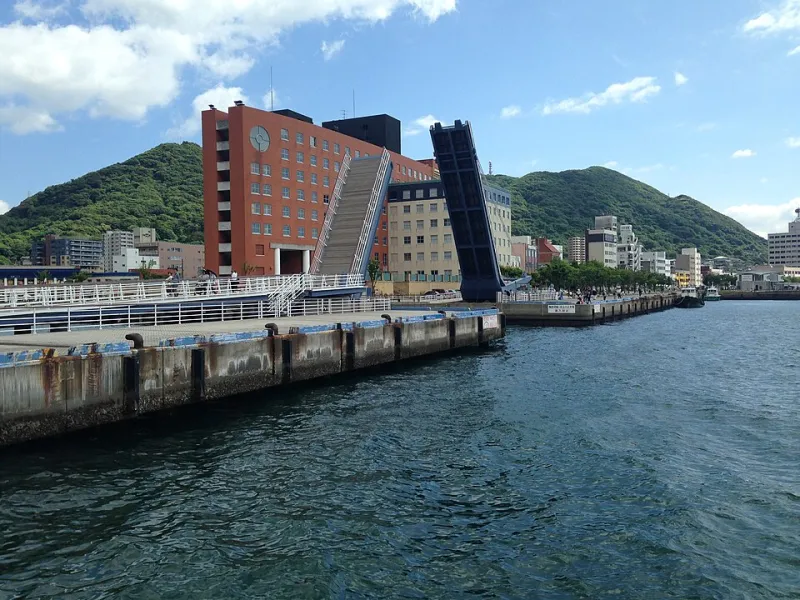
Kitakyushu side: The Moji waterfront, near the retro port district, offers arguably the most photogenic vantage point — fireworks reflected in the water with historic buildings in the foreground. Kokura's riverside spots draw bigger, louder crowds if you want festival energy. Bonus: you can pair the fireworks with a stroll through Mojiko Retro's lantern-lit streets afterward.
Honestly? If you can swing it, spend the afternoon on one side, cross the strait (the underwater pedestrian tunnel or a quick ferry ride does the trick), and watch from the other. It's a two-cities-one-night experience you can't replicate anywhere else in Japan.
The Practical Stuff American Travelers Always Ask
When: Mid-August, usually. Check the official festival schedule each year — dates shift, and typhoon season occasionally forces changes.
Getting there: From Fukuoka, it's about an hour by train to Kokura or Moji on the JR Kagoshima Line. From Shimonoseki Station, the waterfront is a short bus or taxi ride. Trains will be packed after the show — build in patience or linger for a late dinner.
Claiming your spot: This is a picnic culture event. Locals spread out tarps (blue plastic sheets) in the afternoon to reserve viewing space. Arrive by late afternoon if you want a prime waterfront spot, or embrace standing-room-only along the promenade.
What to bring: Water, a portable fan (August humidity in western Japan is no joke — think Florida in July), cash for the yatai food stalls, and a fully charged phone. Convenience stores nearby sell everything else.
Lodging: Hotels in Shimonoseki and Kitakyushu fill up fast for festival weekend. Book weeks — ideally months — in advance. Fukuoka makes a solid fallback base if you don't mind a late train ride home.
Why It Hits Different
Japan has hundreds of fireworks festivals. What makes this one special is the setting: a working international waterway squeezed between two islands, with fireworks launched from both banks at once. The reflections on the current, the ships' horns, the knowledge that you're literally watching two prefectures celebrate together — it's a geography lesson disguised as a party.
For US visitors already planning the classic Tokyo-Kyoto-Osaka route, consider this your detour west. The Kanmon region is easy to reach via the Sanyo Shinkansen, dramatically less crowded than the Golden Route, and full of surprises — world-class seafood, a beautifully preserved port town, and yes, the single best fireworks show you've probably never heard of.
Two islands. One strait. One sky. Go find out for yourself.