Penguins, Pufferfish, and Battleship Blueprints: The Strait's Strangest Small Museums
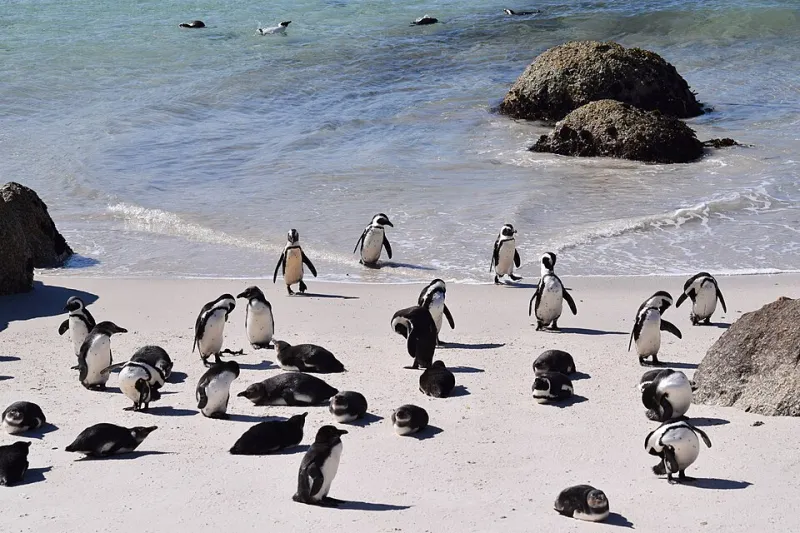
Photo: Raita Futo from Tokyo, Japan, CC BY 2.0, via Wikimedia Commons
Ask most American travelers what a Japanese museum looks like and they'll picture the Tokyo National Museum's grand halls or Kyoto's temple treasures. What they won't picture is a scrappy aquarium on the Shimonoseki waterfront where a colony of penguins waddles past a window overlooking actual freighters. Or a hillside museum dedicated entirely to the strait's shipping traffic. Or the modest remains of an ancient fortification with a view that explains everything.
That's the thing about the Kanmon region: the museums here aren't trying to be comprehensive. They're trying to be specific. And specific, it turns out, is a lot more fun.
Start With the Penguins: Kaikyokan
Shimonoseki's Kaikyokan aquarium sits right on the strait at Arukapoto, and it makes no attempt to compete with Osaka's mega-aquariums. Instead, it leans into what it has: a genuinely charming penguin colony (many captive-bred), a solid fugu display — you're in the blowfish capital of Japan, after all — and tank after tank of fish pulled from the Kanmon Strait itself.
The penguins are the headliners, and rightly so. They parade, they squabble, they stare at you with the indifference of celebrities. If you've got kids in tow, or you're just an adult who refuses to apologize for enjoying penguins, budget at least 90 minutes here.
Practical intel: Open roughly 9:30 a.m. to 5:30 p.m., with last entry about 30 minutes before close. English signage is decent — not exhaustive, but you'll never be lost. Admission runs around ¥2,000 for adults, and there's a combo ticket with the adjacent Kozanji temple area if you want to stretch the visit.
Pair it with: Karato Market in the morning (the aquarium is a short walk), then lunch on whatever the market was selling an hour earlier.
The Strait, Explained: Kanmon Strait Historical Museum
Here's the museum that answers the question you didn't know you had: why is this stretch of water such a big deal?
The Kanmon Strait Historical Museum, up in the Mekari/ Dannoura area, walks you through thousands of years of this waterway's story — the naval battle of Dannoura in 1185, the 1864 shelling by Western warships, the treaty signing that ended the Sino-Japanese War. It's the strait's greatest hits, told through models, artifacts, and dioramas.
English signage is spottier here than at the aquarium, so download a translation app before you go. Honestly, even without perfect comprehension, the scale models and the setting do a lot of the talking.
Pair it with: The Mekari Observation Deck is basically next door, and on a clear day you can watch container ships thread the narrowest point of the strait while standing in a parking lot eating a vending-machine snack. This is, inexplicably, one of the best travel moments in western Japan.
Hato-umezaka: History Without a Roof
Not every stop on this tour has a building. The Hato-umezaka ruins and the surrounding hillside sites on the Shimonoseki side preserve remnants of ancient coastal fortifications and settlement — the kind of place where you get history through your feet rather than through glass cases.
It's a walk, not a museum visit, and that's the point. Bring comfortable shoes, water, and realistic expectations: this is atmosphere and context, not artifacts behind velvet rope. The payoff is a sense of place — standing on ground where people watched the same strait you're watching, centuries before container ships existed.
Pair it with: The Shimonoseki City Archaeological Museum nearby, which puts the excavation finds in context and, helpfully, has better interpretive materials than the open-air sites themselves.
The Kyushu Side Has One Too
Don't sleep on the Kitakyushu side of the water. Moji and Kokura hold their own share of small institutions — maritime history, the port's Meiji-era heyday, and various oddball collections tucked into restored brick warehouses. If you're doing our two-day loop of the strait, slot a museum morning into your Kokura day and let the afternoon handle the viewpoints and the food.
Making It Work: A Practical One-Day Museum Crawl
Here's how we'd string it together on the Honshu side:
- 8 a.m. — Breakfast at Karato Market. Tuna rice bowls, obviously.
- 9:30 a.m. — Open Kaikyokan. Penguins first, fugu tanks second.
- 12:30 p.m. — Lunch near Arukapoto or back at the market for round two.
- 2 p.m. — Bus or taxi up to the Kanmon Strait Historical Museum and Mekari Observation Deck.
- 4:30 p.m. — Descend for sunset at Kaikyo Yume Tower or the strait-side promenade.
A few logistics notes for US visitors: most of these museums close Mondays (or the following Tuesday when Monday is a holiday), cash is still king at the smaller spots, and a Suica or ICOCA card works on the local buses. None of these places will consume your whole day, which is exactly the point — the Kanmon region rewards travelers who stitch small stops into bigger days rather than treating each attraction as a destination unto itself.
Why Bother?
Because this is the Japan that doesn't make the highlight reels. The museums of the Kanmon Strait won't show up on a top-ten list, and that's precisely their appeal. You'll share the penguin enclosure with local schoolkids instead of tour groups. You'll learn the strait's 800-year story from a docent who's genuinely delighted you came. And you'll leave knowing things about a stretch of water that most visitors to Japan sail right past — sometimes literally.