Noodles on a Hot Plate: The Cross-Strait Rivalry That Simmers Over Kawara Ramen
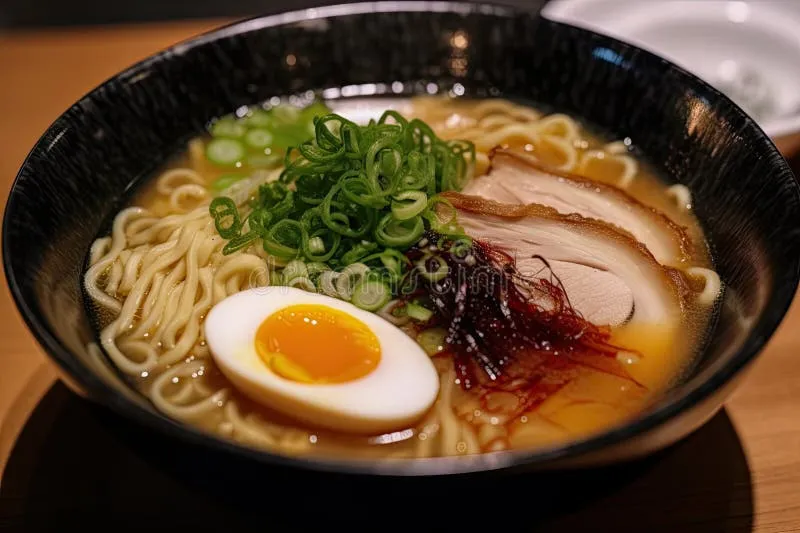
Photo: kawara ramen sizzling hot plate Japanese ramen teppanyaki noodles, via thumbs.dreamstime.com
Every region has its comfort food. The Kanmon Strait has a food with an attitude — a plate of noodles that arrives at your table hissing like a kettle, served on a roof tile that could double as a weapon.
Kawara ramen is exactly what it sounds like: ramen noodles, pork, green onions, and a sweet-savory sauce cooked and served on a hot ceramic tile. The tile keeps sizzling long after it lands in front of you, so the noodles on the edges crisp up into something closer to a noodle-chip hybrid. It's part dinner, part theater, and — depending on which side of the strait you ask — part territorial dispute.
A Dish Born From a Shipyard Story
The origin tale locals tell goes back to May 1905, when Chinese laborers working on the docks around the strait supposedly cooked their noodles on pieces of broken roof tile because they lacked proper pans. Historians debate the details, but the story stuck, and the dish eventually made its way into local restaurants as a nostalgic nod to that era.
Fast forward to the 1980s, and kawara ramen had a full-blown moment. Restaurants on both sides of the water claimed it, refined it, and — this is the important part — started insisting the other side was doing it wrong.
Two Cities, One Hot Plate
The rivalry plays out like a low-stakes barbecue feud in the American South, except the "regions" are a five-minute train ride apart.
The Shimonoseki camp (Honshu side) leans into the dish's roots here. Shops around the Shimonoseki area serve versions with a glossy, slightly sweet sauce, generous bean sprouts, and pork that caramelizes against the tile. Some spots here are credited with putting the dish on the map in its modern form.
The Kitakyushu camp (Kyushu side), particularly around Kokura and Mojiko, argues their take is the authentic one. Their versions often run a little more savory, with a heartier soy-forward sauce and a firmer noodle that holds its crunch longer against the heat.
Ask anyone in either city and you'll get a confident answer delivered with a grin. Nobody's genuinely angry. Everybody's genuinely hungry.
How to Eat It Like You've Done This Before
A few field notes before you order:
- Let it sizzle. Don't dig in the second the plate hits the table. Give the edges thirty seconds to crisp. The crunchy bits are the whole point.
- Move the noodles. The tile keeps cooking, so push the noodles around occasionally or the center will go soft while the edges turn to lace.
- Finish with rice. Many shops offer a small scoop of rice or a rice ball on the side. Once the noodles are gone, the sauce and crispy scraps left on the tile are basically a second course.
- Mind the tile. It stays screaming hot for longer than you think. This is the one dish in Japan where the plate is a bigger hazard than the chopsticks.
Your Tasting Itinerary
To settle the debate yourself, split your day across the strait — which, conveniently, is exactly what this site exists for.
Morning: Shimonoseki. Start at Karato Market for breakfast, then wander toward the waterfront and grab a late-morning plate of kawara ramen at one of the shops near the station or the market district. Compare notes with the staff; Shimonoseki locals are proud of the dish and happy to explain why theirs wins.
Afternoon: Cross to Kyushu. Hop the train or ferry across to Mojiko or Kokura. Mojiko's retro port district is an easy stroll, and several spots in the Kitakyushu area serve their own spin on the tile noodles. Order a second plate and conduct your comparison honestly.
Evening: Declare a winner. Preferably out loud, in a bar, where locals from exactly one side of the strait can hear you.
Why the Feud Is the Point
Here's the thing about kawara ramen: the rivalry is the seasoning. The dish only exists because this narrow strait has always been a crossroads — traders, laborers, soldiers, and fishermen all passing through and leaving something behind on the plate. Two cities that share water, trains, and history were never going to agree on whose noodle is best, and that argument is a big part of the charm.
So come hungry, eat on both shores, and pick a side. Just know that whichever one you choose, someone on the other side of the water is already heating up a tile to tell you you're wrong.