Small Bites, Big Strait: A Fugu-Free Eating Crawl Through Shimonoseki
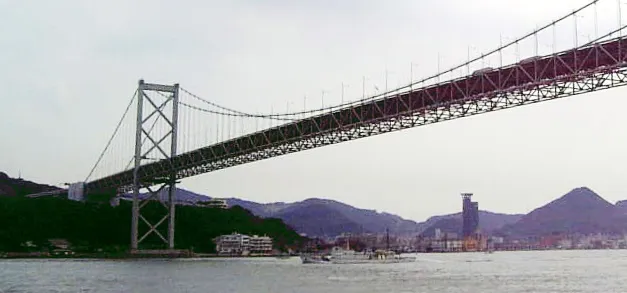
Photo: mycurrency.com, CC BY-SA 4.0, via Wikimedia Commons
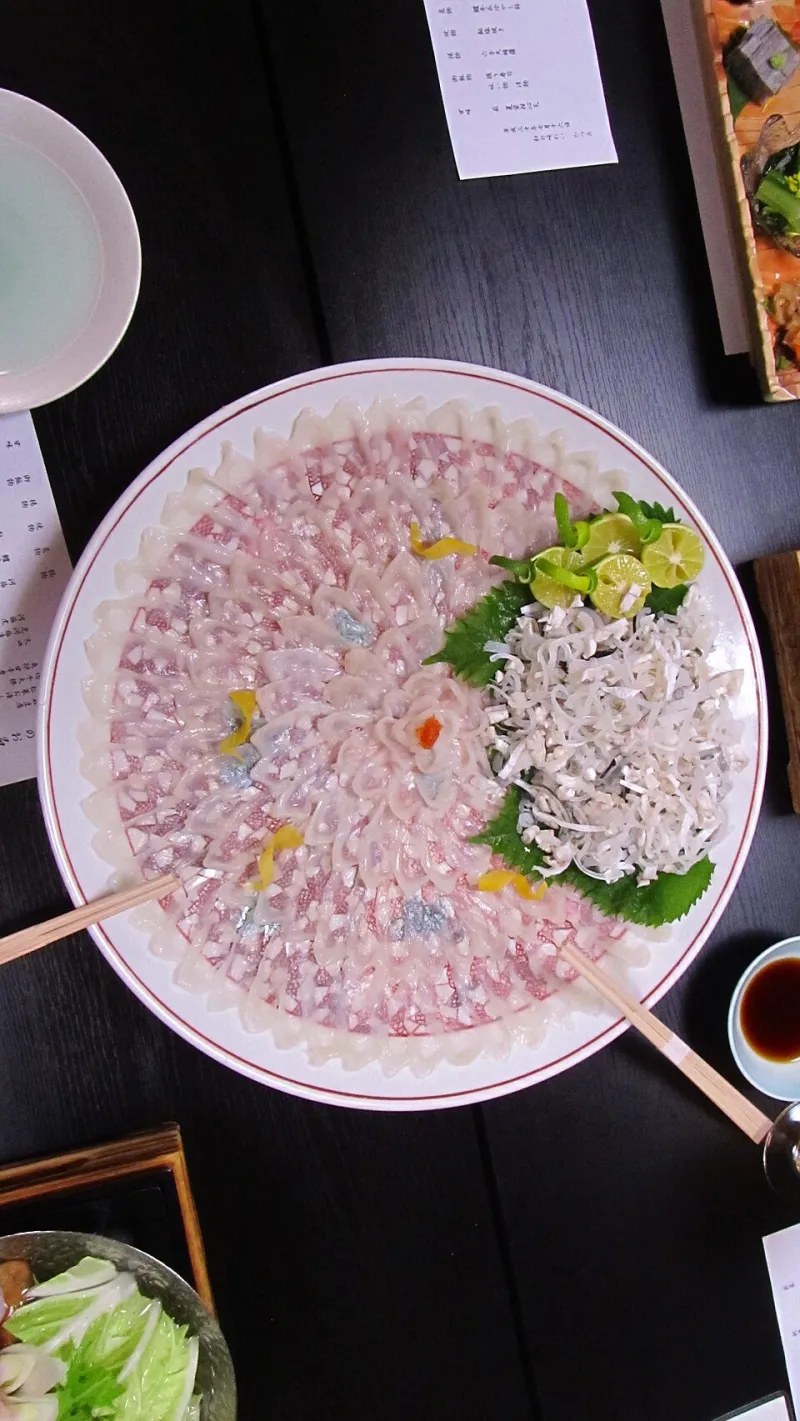
Here's the thing nobody tells you before your first trip to Shimonoseki: you will be ambushed by fugu. It's on the manhole covers, the souvenir towels, the giant blowfish lanterns at the station. And yes, you should try it once. But if the idea of spending 5,000 yen on a fish that requires a licensed chef to make it safe has your stomach doing somersaults, take a breath. This city eats plenty of other things, and most of them cost less than a fancy coffee back home.
This crawl is designed to be walked in a single day, mostly flat, roughly five kilometers end to end if you include the onsen town detour. Wear comfortable shoes and arrive hungry.
Start Early: Conveyor-Belt Sushi Above the Strait
Begin at Shimonoseki Station around 9:30 a.m. — yes, that's early for sushi, and that's the point. A short bus or taxi ride brings you to the waterfront, where kaiten-zushi joints slide plates of fish caught literally hours earlier in the Kanmon Strait. We're talking about the same waters you can see out the window.
A plate runs about 120 to 300 yen depending on the color of the ring it rides on. Squid, horse mackerel, and the local specialty anago (saltwater eel, sweeter and softer than the freshwater kind) are the moves. Two people can eat like royalty for under 3,000 yen total. If you've only had conveyor sushi in the US, where the fish has logged serious frequent-flyer miles, this will recalibrate your expectations.
Mid-Morning: Plum Sweets at Akama Shrine
Walk it off — about 25 minutes along the harbor — to Akama Shrine, the striking vermilion-and-white temple dedicated to the child emperor Antoku. The shrine is worth the trip on its own, but here's the snack: umegae mochi, a small grilled rice cake stuffed with red bean paste and stamped with a plum blossom.
Vendors sell them fresh off the griddle along the approach for roughly 150 yen a piece. Buy two. Eat one while it's so hot you have to do the open-mouth whew dance. Save the second. The plum motif ties back to the shrine's history, and unlike most tourist snacks, this one actually tastes like somebody's grandmother's recipe — because it probably is.
Lunch: Fried Little Fish at an Alleyway Counter
From Akama Shrine, head toward the Karato district. Yes, Karato Market is famous, and yes, the sushi stalls there are great — but the under-the-radar play is the network of tiny counters around it serving kawari-zushi and, better yet, whole small fish fried to a shatter. Local favorites include baby horse mackerel and sardines, dusted in salt, served in a paper tray with a lemon wedge for around 500 yen.
There's no English menu and no seats. You point, you pay, you eat standing in the alley like everyone else. It's the closest thing Shimonoseki has to grabbing a slice of pizza in New York, and it costs about the same.
The Detour: Tofu from a Hot Spring Town
Now for the stretch goal. Bus route 41 from Shimonoseki Station takes you 40 minutes into the hills to Kawatana Onsen, a sleepy hot spring town whose claim to fame is tofu simmered in the mineral-rich spring water. The water's chemistry gives the tofu an unusually rich, almost custardy texture.
A few small eateries near the main street serve tofu sets — soup, grilled tofu, and pudding-like desserts — for 1,000 to 1,500 yen. Even if you're tofu-agnostic, this is the version that converts people. Soak your feet in a free public footbath while you digest, then catch the bus back down.
What to Skip (Politely)
Not everything needs to be on your list:
- The blowfish-skin snacks at souvenir shops. They're mostly novelty. If you want fugu, do it properly at a restaurant, not from a cellophane bag.
- The tourist-grade sushi at the ferry terminal. Convenient, but you've already eaten better for less.
- Any restaurant with a photo menu and a staff member waving you in near the station. You know the drill.
The Practical Bits
- Total walking distance: about 5 km, plus the bus to Kawatana
- Total food budget: roughly 4,000–5,000 yen per person for the full day
- Cash matters: the alleyway counters and mochi vendors often don't take cards
- Timing: start by 9:30 a.m. or the fried fish counters may sell out by early afternoon
By the time the sun drops over the strait and the lights of Kitakyushu flicker on across the water, you'll have eaten a dozen things — and not one of them required a waiver or a licensed chef. That's not a knock on fugu. It's just proof that Shimonoseki's table has room for the cautious eater too.