Shimonoseki Isn't a Stopover — It's the Whole Story
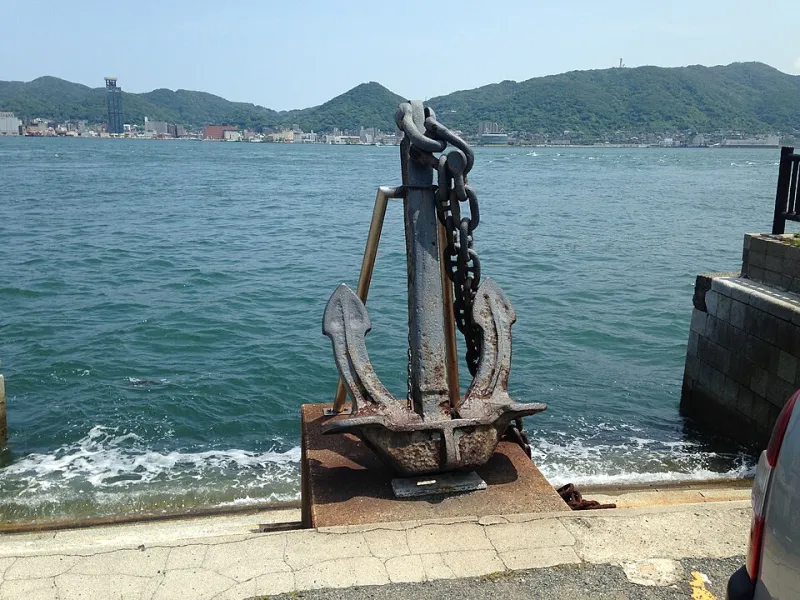
Photo: そらみみ (Soramimi), CC BY-SA 4.0, via Wikimedia Commons
Let's get one thing out of the way: treating Shimonoseki as a quick side trip from Fukuoka is selling the city short. It's a habit a lot of visitors fall into — hop off the train, eat some fugu, snap a photo of the bridge, head back. Perfectly pleasant. Also a waste.
Because Shimonoseki isn't just a gateway to the Kanmon Strait. It's the place where an empire drowned, a child emperor was laid to rest, and an entire era of Japanese history closed its final chapter. Spend a proper day here and you'll understand why the locals never treat their city as a pit stop.
First, a History Lesson You Didn't Know You Needed
In 1185, the waters just off Shimonoseki hosted the Battle of Dan-no-ura — the clash that effectively ended the Genpei War and, with it, centuries of aristocratic rule. The Minamoto clan crushed the Taira, and in the chaos, the Taira loyalists reportedly plunged into the sea with the child Emperor Antoku, who was all of six or eight years old depending on the account.
That battle didn't just end a war. It's widely seen as the moment the samurai era began, and it all happened within sight of where you'll be eating lunch. Once you know that, the strait stops being scenery and starts being a story.
Akama Shrine: The Reddest Room in Japan
A short walk from the waterfront sits Akama Shrine, and its centerpiece is genuinely unlike anything else in the country. The main hall's interior is covered floor-to-ceiling in crimson — over a thousand lacquered panels glowing red under the lights, like standing inside a lantern.
The shrine was built to honor Emperor Antoku, the boy who vanished beneath the waves at Dan-no-ura. There's a solemnity here that catches first-time visitors off guard. This isn't a tourist attraction dressed up as history; it's an active place of mourning and memory, eight centuries old, dedicated to a child who never got to rule.
Go in the late afternoon if you can. The light does something to that red interior that photos never quite capture — and trust us, you'll try anyway.
Kaikyo Yume Tower: Earn Your View
From quiet reflection to full-on spectacle: Kaikyo Yume Tower, the 153-meter tower rising over the strait, has the kind of observation deck that makes you reconsider every photo you took at ground level.
The view is the whole argument for staying overnight. You see the Kanmon Strait doing its thing — cargo ships threading between Honshu and Kyushu, the bridge arcing overhead, the old Mojiko skyline across the water in Kitakyushu. On a clear day, the whole region lays itself out like a map you're standing on.
Here's our honest take: the tower is worth the ticket price at any hour, but the sunset slot is the one worth planning around. The strait runs east-west, which means the evening light pours straight down the channel and sets the water on fire. If you've only seen Shimonoseki at noon, you haven't really seen it.
The Danjiri Museum: The Part Everyone Misses
Tucked near the shrine is the Shimonoseki City Danjiri Museum, home to the massive festival floats pulled through the streets each May during the city's annual festival. These aren't decorative miniatures — they're multi-ton wooden structures, carved and gilded, that get hauled by crowds of locals in a tradition going back centuries.
Even if you miss the festival itself, the museum gives you a sense of scale you can't get from a photo. Stand next to one of these things and you'll understand why the whole city shows up for it.
Our Argument, Summed Up
Here's the thing about Shimonoseki: it works as a day trip, the same way a trailer works as a movie. You get the highlights, sure. But you miss the pacing — the slow afternoon light on the strait, the shrine at dusk, dinner that isn't dictated by a return train schedule.
So here's our pitch: stay the night. Eat fugu in the evening instead of rushing it at lunch. Watch the sunset from Kaikyo Yume Tower. Wake up early and hit Karato Market before the tour buses arrive. Then catch the strait in the morning, when the light is soft and the city feels like it belongs to you.
Shimonoseki has spent centuries being the place where big stories happened. The least you can do is give it more than a few hours.