Sharp Knives, Slow Hands: A Day With Shimonoseki's Working Artisans

Photo: U.S. Air Force photo by Airman 1st Class Arnet Tamayo, Public domain, via Wikimedia Commons
Ask anyone what Shimonoseki is famous for and you'll get one answer: fugu. The blowfish. The thing that can kill you if prepared wrong. What almost nobody tells you is that behind every safely sliced plate of puffer fish is a blade honed by hand — and behind that blade, a person.
Shimonoseki gets framed as a stopover, a place you pass through on the way somewhere else. But spend a day paying attention to the hands rather than the plates, and you'll find a town that has quietly kept its old trades alive — not as museum pieces, but as jobs people still do every morning.
The Knife Man Knows Your Fish
Start where the fish starts. Around the wholesale corridors near Karato Market and the small workshops tucked into the backstreets of Shimonoseki, there are craftsmen who spend their days sharpening and maintaining the specialized knives used for fugu preparation — thin, wickedly precise blades called fugu bōchō that are longer than a forearm.
The sharpening itself looks almost meditative: whetstone, water, a wrist angle refined over decades. But the stakes are real. A fugu chef's knife has to be sharp enough to separate the delicate, toxic liver from the edible flesh cleanly, without nicking anything it shouldn't. A dull blade isn't an inconvenience here — it's a safety issue.
If you visit the market in the morning (you should — the tuna auctions alone are worth the early alarm), you'll see these knives in action everywhere. What you won't see is the maintenance work happening a few blocks away, before dawn, so the cuts can happen at all.
Lanterns for a Festival That Never Stopped
Wander toward the waterfront neighborhoods and keep an eye out for small workshops turning out chōchin — paper lanterns — including the distinctive karako lanterns associated with Shimonoseki's festivals. The craft is the same one that lit streets across Japan for centuries: bamboo ribs, washi paper, a brush, and patience.
What makes it remarkable in a strait town is the context. Shimonoseki has been a port for a thousand years — fishermen, samurai, treaty negotiators, all of them passing through. The lantern makers stayed. Their product shows up in the summer festivals, strung along the shopping arcades and shrine grounds, glowing over the same streets where the Shimonoseki Campaign cannons once faced British warships.
Some workshops welcome visitors if you arrange ahead or simply come by during working hours with a polite greeting. Even watching through the doorway teaches you something: no two lanterns come out identical, and that's the point.
Cross the Water, Find the Weavers
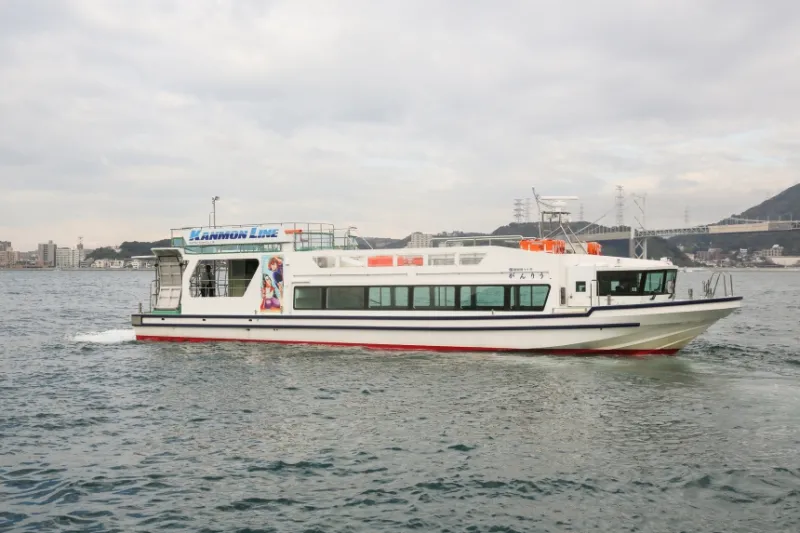
Here's where being at the Kanmon Strait pays off. Hop across to the Kyushu side — the ferry takes minutes, the undersea tunnel walk takes twenty — and you land in a region adjacent to one of Japan's great textile traditions. Hakata-ori weaving, with its tight, glossy silk weave, has its cultural home just down the line in Fukuoka, but the Kyushu side of the strait carries its own fabric heritage in smaller workshops and family studios.
A weaver at a loom is one of the most hypnotic things you can watch: the shuttle flying, the pattern building line by line at a pace that makes you recalculate what 'productive' means. Many small studios sell directly to visitors — scarves, obi fabric, coasters — at prices that reflect buying from the maker, not a duty-free shop.
How to Do This Yourself
A few practical notes for planning an artisan-focused day in the Kanmon region:
- Go early, go on weekdays. Craftspeople work mornings. Weekend tourists get Saturdays; working hands get Mondays.
- Learn two phrases. 'Kore wa nan desu ka' (what is this?) and 'arigatō gozaimasu' (thank you) will open more workshop doors than any guidebook.
- Ask before photographing. Some studios are fine with it; some consider the workspace private. A gesture toward your camera and a raised eyebrow works in any language.
- Buy something small. Even a hand-sharpened kitchen knife or a single lantern-shaped souvenir keeps the lights on in a trade that big-box stores are steadily eroding.
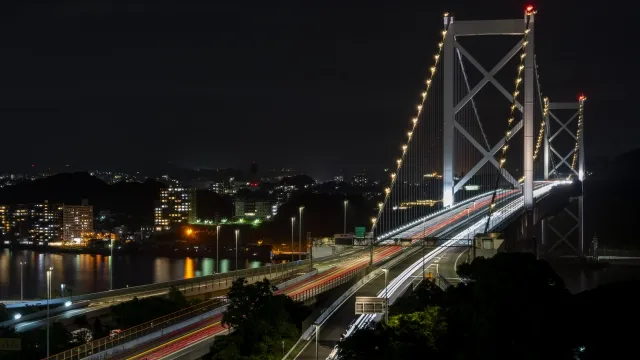
- Build the day around the strait. Morning at Karato Market, midday workshops in Shimonoseki, afternoon across the water in Mojiko or beyond. The crossing itself — ferry, tunnel, or bridge — is half the experience.
Why It Matters
There's a version of travel where you collect sights like stamps. And then there's the version where you leave having met someone. Shimonoseki's artisans aren't performing their traditions for tourists — they're sharpening knives because chefs need them, weaving because fabric sells, building lanterns because the festival is coming. You're just lucky enough to be in the room.
The puffer fish will still be there when you leave. The story you'll tell back home, though, will probably be about the person behind the blade.