Cannons in the Mist: Retracing the 1864 Shimonoseki Campaign on Foot
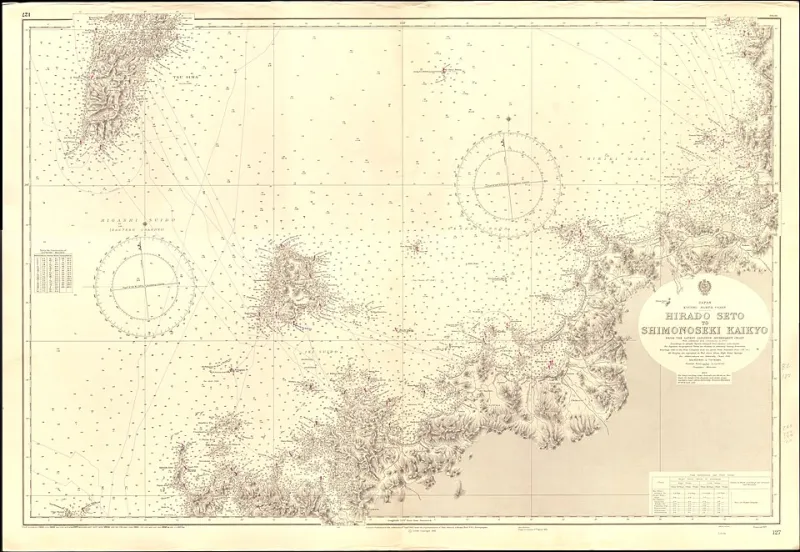
Photo: United Kingdom Hydrographic Office, Public domain, via Wikimedia Commons
If you've ever stood on the deck of a ferry in the Kanmon Strait, it's hard to picture this narrow, glittering ribbon of water as a war zone. Container ships ease through, gulls wheel, and on a clear day you can see both Honshu and Kyushu at once. But in the summer of 1864, this exact stretch of sea was the scene of something remarkable: a joint fleet of British, American, Dutch, and French warships bombarding a Japanese domain that had dared to fire on foreign vessels.
The Shimonoseki Campaign is barely a footnote in most Western history classes — but it shouldn't be. For American travelers who get a kick out of stumbling onto world-shaking history in unlikely places (think Gettysburg, but with better food), Shimonoseki delivers. Here's the story, and the walking route that brings it to life.
Why a Small Domain Took On the World's Navies
Quick backstory. In the 1850s, Japan had been pried open by American gunboat diplomacy — Commodore Perry's "black ships" — and the ruling Tokugawa shogunate began signing treaties with Western powers. Not everyone was thrilled about this. In 1863, the powerful Choshu domain, which controlled the strait here, started firing on foreign ships passing through, acting on an imperial edict to "expel the barbarians."
The strait was the choke point for ships heading to Osaka and Edo, so this wasn't a minor nuisance. It was a shipping crisis. After a French ship was struck and an American merchant vessel was attacked, the Western powers had seen enough.
The 1864 Bombardment
On September 5, 1864, a fleet of nine warships — four British, three French, one Dutch, and one American — anchored off Shimonoseki. Over the next three days, they shelled Choshu's shore batteries and landed roughly 2,000 troops, who stormed the coastal forts and spiked their guns.
The whole thing was over almost embarrassingly fast. Choshu's leadership, watching European weaponry dismantle their defenses, drew an obvious and fateful conclusion: fighting the West head-on was suicide. Better to learn from it. That pragmatic pivot — adopt Western arms, modernize, and eventually overthrow the shogunate — set the domain on the path that led to the Meiji Restoration of 1868. The strait that got shelled became the cradle of modern Japan.
A side note for American readers: the US contribution to the fleet was the sloop-of-war USS Wyoming, which had already traded fire with Choshu batteries the previous year. Small role, but real.
Your Walking Route: Four Stops, Half a Day
The best part? The campaign's sites are compact, free (or nearly so), and almost completely ignored by tour groups. Start in the morning and you'll be done by lunch.
Stop 1: Akama Shrine and the waterfront. Begin near the strait's edge, where you can get your bearings on the waterway that caused all the trouble. The views across to Moji, Kyushu make it easy to visualize how narrow a target this was.
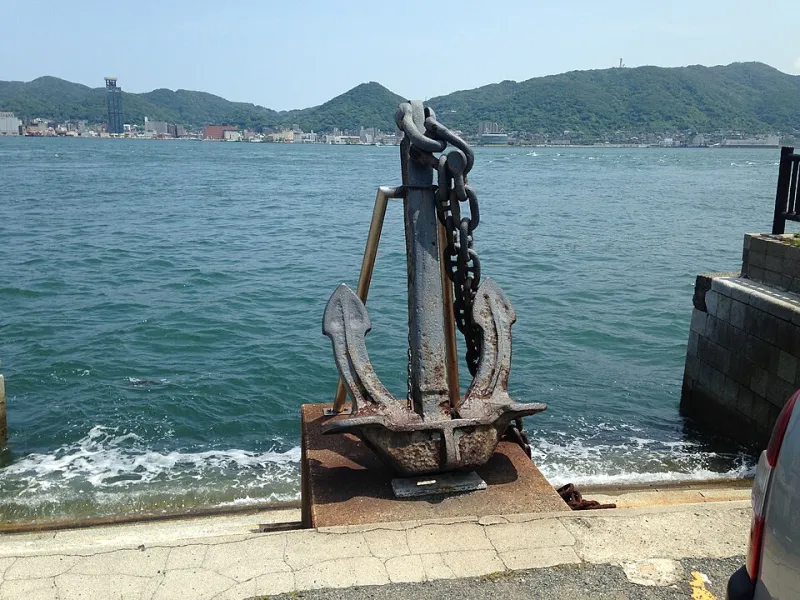
Stop 2: The old Shimonoseki battery sites. Scattered along the coast are markers and remnants of the shore batteries that fired on foreign ships. They're easy to miss — look for small stone monuments and plaques (some with English text) near the water. Standing where gunners once stood, with a container ship gliding by, is the kind of juxtaposition that makes history stick.
Stop 3: Danjo-no-ura and the strait viewpoints. Ride the Kanmon yude-take ferry or walk part of the waterfront to viewpoints overlooking the narrowest section of the strait. This is where you truly grasp the logistics: a few hundred meters of water, and whoever controlled it controlled trade for western Japan.
Stop 4: The Shimonoseki City Archives or local history museum. Cap things off with period documents, woodblock prints of the bombardment, and models of the warships. The prints are fantastic — Japanese artists rendered the foreign steamships with a mix of terror and fascination.
Practical Tips for Your Visit
- Getting there: Shimonoseki Station is about two hours from Fukuoka by rail. The walking route is manageable from the city center on foot.
- Best seasons: Spring and fall for comfortable walking weather; summer is hot and humid.
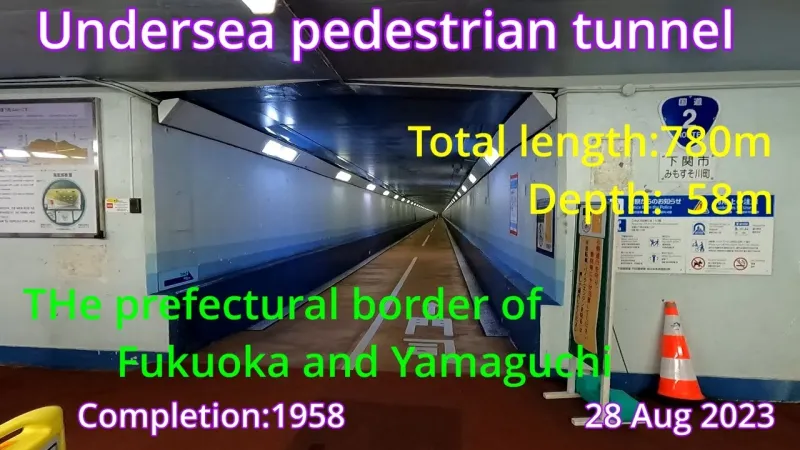
- Time needed: Half a day for the route, longer if you tack on Karato Market or the undersea tunnel.
- Pair it: This history pairs beautifully with the region's other big story — the 1905 Treaty of Portsmouth negotiations held here. Same strait, another world-altering moment.
Most visitors to Japan will never hear of the Shimonoseki Campaign. You'll have walked its front lines before lunch — and you'll never look at a shipping lane the same way again.