Skip the Trinket Aisle: Where to Find Souvenirs in Kanmon That Actually Mean Something
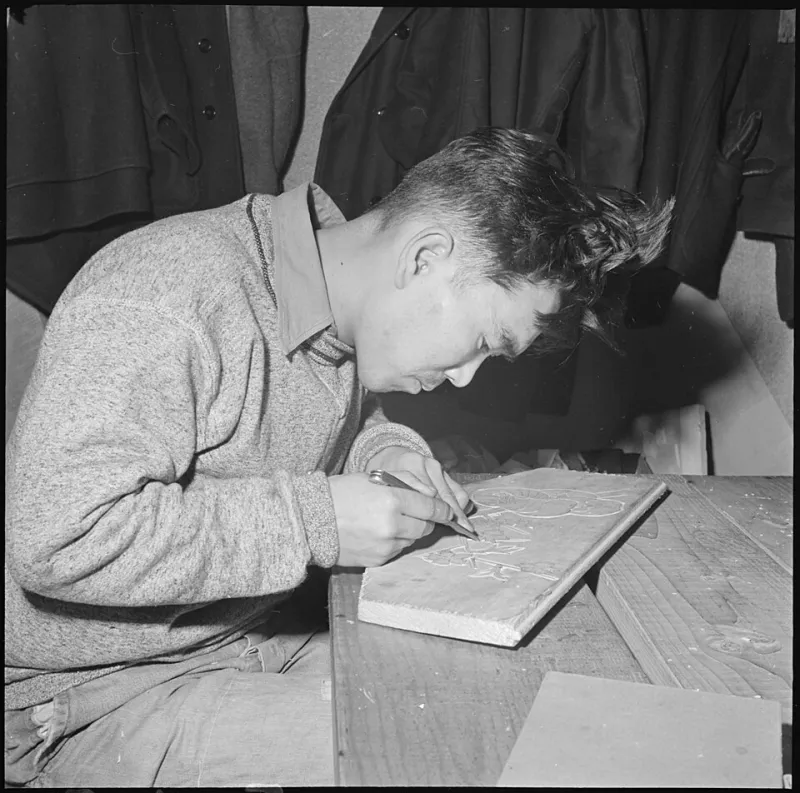
Photo: Tom Parker, Public domain, via Wikimedia Commons
Every trip produces that one souvenir you regret. The gas station quality magnet. The 'I ❤️ Japan' tee that could've come from anywhere. If you're passing through the Kanmon region — the twin-port area where Shimonoseki on Honshu faces Moji and Kokura on Kyushu — you have a genuinely rare chance to skip all of that. This is a place shaped by fishing, shipbuilding, and trade, and the best things to bring home reflect exactly that.
Here's how to shop the strait like someone who actually lives here.
Start With the Knives
Shimonoseki has a long working-blade tradition, and a handful of small workshops around the city still put out knives the old way — forged, ground, and finished by hand, often by a single maker. These aren't the mass-produced 'samurai swords' sold in tourist districts. We're talking kitchen knives: deba for fish, petty knives for daily use, the kind of thing a serious home cook in the US would treasure for decades.
Expect to pay anywhere from ¥8,000 to ¥40,000 depending on the maker and steel. That sounds steep until you compare it to a comparable artisan blade back home, where the same quality often costs double. Ask the shop owner to engrave your name in kanji — many will do it while you wait or within a day.
One practical note: pack knives in checked luggage, always. Or better yet, have the shop ship it. More on that below.
Fugu Skin, But Make It Fashionable
Yes, the famous blowfish leaves more than dinner behind. Local craftspeople have long turned fugu skin into wallets, card holders, and coin purses — the skin has a distinctive bumpy texture that softens beautifully with use. Small stalls near Karato Market and shops in the arcade district sell them, and unlike most 'local crafts' you'll find in Japan, this one is genuinely tied to the regional economy. The fish comes from these waters; the craft grew out of the fishing industry.
A fugu-skin card case runs about ¥3,000–¥6,000, makes a great conversation piece, and fits in a carry-on without any customs drama. It's the rare souvenir that's both quirky and actually useful.
Mojiko's Retro Packaging Game
Cross the strait to Mojiko and the shopping vibe shifts completely. This preserved port town leans hard into its Taisho-era aesthetic, and the local shops have turned vintage-style packaging into an art form. Banana-shaped candies, coffee tins from the old trading houses, rum balls in boxes that look like they came from 1925 — none of it is precious, all of it is charming, and it's the kind of thing that costs ¥500 and delights everyone back home.
The banana thing isn't random, by the way. Mojiko was a major banana shipping port, and the fruit became the town's unofficial mascot. The famous 'banana juice' (which contains zero bananas... actually, scratch that — it contains exactly the amount of banana a juice should) is worth trying in the moment, but the packaged sweets travel better.
Kokura's Small Kilns
Kokura, just inland from Moji station, has a quieter craft scene: small pottery studios turning out strait- and wave-themed ceramics. Think tea cups glazed in deep harbor blues, small plates with current patterns that echo the whirlpools of the Kanmon Strait. These aren't nationally famous kilns, which is exactly the point — you're buying something almost nobody else back home will have.
Studios around the Kokura Castle area and in the Yoshicho district welcome browsers, and some offer quick painting experiences if you want to make your own. Budget an afternoon.
What's Actually Made Here (vs. What Isn't)
A quick honesty check before you buy: Japan's tourist shops are full of 'regional' goods manufactured in Osaka or imported outright. Genuine Kanmon-made items to look for include the knives, fugu-leather goods, ceramics from the Kokura studios, dried fish and squid snacks from Karato, and anything from a shop where the maker is physically present. If the packaging says 'Made in China' on a 'local' craft, put it down and keep walking.
Getting It All Home
Three logistics tips for US travelers:
-
Ship the heavy stuff. Japanese postal service and private couriers like Yamato will ship internationally from most convenience stores and post offices. A knife that ships for ¥4,000 beats carrying it for three more weeks of travel.
-
Know your customs limits. Most personal souvenirs enter the US duty-free under the $800 exemption. Food items are trickier — dried fish snacks are generally fine if commercially packaged, but declare anything questionable.
-
Keep receipts for knives. You'll want proof of purchase for your checked bag and, occasionally, for customs. Snap a photo of the receipt at the register.
The Real Souvenir
Here's the thing about shopping in Kanmon: because the region is small and the makers are accessible, buying something here often means actually meeting the person who made it. The knife guy remembers your order. The kiln owner explains why she chose that glaze. In a country where tourist shopping can feel transactional, the strait's small scale works in your favor.
So skip the keychain aisle. Bring home something with a current — literally — running through it.