Reading the Waterfront Like a Book: One Day, Three Eras of Kanmon Architecture
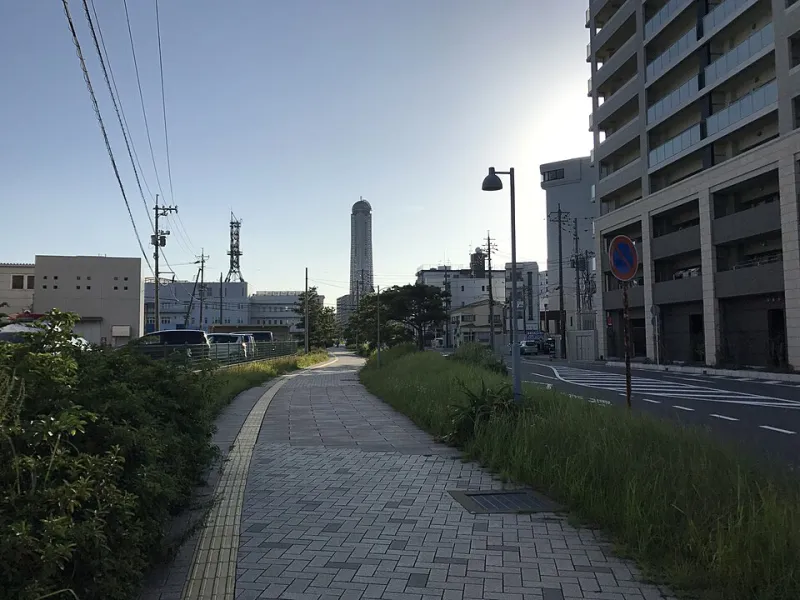
Photo: そらみみ, CC BY-SA 4.0, via Wikimedia Commons
Most American travelers treat architecture as something you visit on purpose — a Frank Lloyd Wright house, a museum with a famous facade. In the Kanmon region, you don't have to go looking. The buildings come to you, stacked along both shorelines of the strait like entries in a diary nobody bothered to close.
The trick is knowing what you're looking at. Spend one day on foot — plus one short ferry or train hop — and you can read the whole story of this stretch of water: the boom, the wars, the decline, and the reinvention. Here's the route, era by era.
Start in 1912: Mojiko's Brick Optimism
Cross over to the Kyushu side first, while your legs are fresh. Mojiko Retro, the preserved harbor district in Kitakyushu, is the oldest chapter and honestly the most photogenic. The area was a major international port in the early 1900s, and the architecture shows it — red brick, white mortar joints, and a confidence that says, "We expect ships from everywhere."
The star is the former Moji Customs building, but don't sleep on the old Osaka Shosen building next door, with its rounded corner that seems designed purely for the pleasure of photographing it. The whole district is compact enough that you can wander it in ninety minutes, coffee in hand. Think of it as a smaller, sleepier cousin of San Francisco's Ferry Building — same era, same brick, fewer crowds.
The Tower That Says "We're Back"
Now hop across the strait to Shimonoseki, and look up. Kaikyo Yume Tower — literally "Strait Dream Tower" — is the newest statement on the waterfront, and it doesn't look like anything else in the region. It's a hyperboloid lattice structure, a twisting mesh of steel that narrows at the waist like it's been wrung out. If you've seen the cooling towers of European power stations or the Shukhov Tower in Moscow, you'll recognize the geometry — but here it's painted a cheerful color and topped with an observation deck.
Ride up if the weather's clear. From 100 meters up, you can see the entire argument this article is making: Meiji brick to the south, postwar concrete everywhere else, and the strait threading between them, still moving cargo twenty-four hours a day.
The Concrete Decades
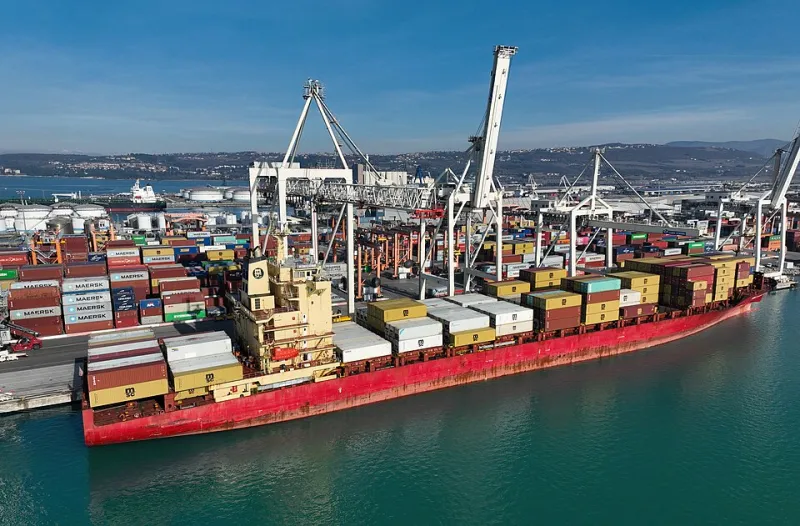
The postwar era left a heavier mark. Shimonoseki's ferry terminals and port buildings from the 1950s through 1970s are unapologetically brutalist — raw concrete, strong geometry, zero decoration. American travelers who've walked Boston City Hall Plaza or seen Chicago's federal buildings will recognize the vibe instantly. This was architecture built for function at a moment when the port's function was everything.
It's not always lovable, but it's honest. And at golden hour, when the low sun hits those concrete walls and turns them honey-colored, even the harshest blocks earn their keep.
How to Do It in One Day
- Morning: Mojiko Retro district, coffee in a brick warehouse, photos of the customs building.
- Midday: Ferry or train across the strait (the crossing itself takes minutes and doubles as the best sightseeing of the day).
- Afternoon: Shimonoseki's waterfront, ending at Kaikyo Yume Tower for the observation deck.
- Evening: Karato Market area or the waterfront promenade as the freighters light up.
Wear real shoes. This is a walking day, and the payoff — a skyline that reads like a century of history — is worth every step.