When the Sun Drops, the Strait Clocks In: A Night Walk Along Kanmon's Working Waterfront
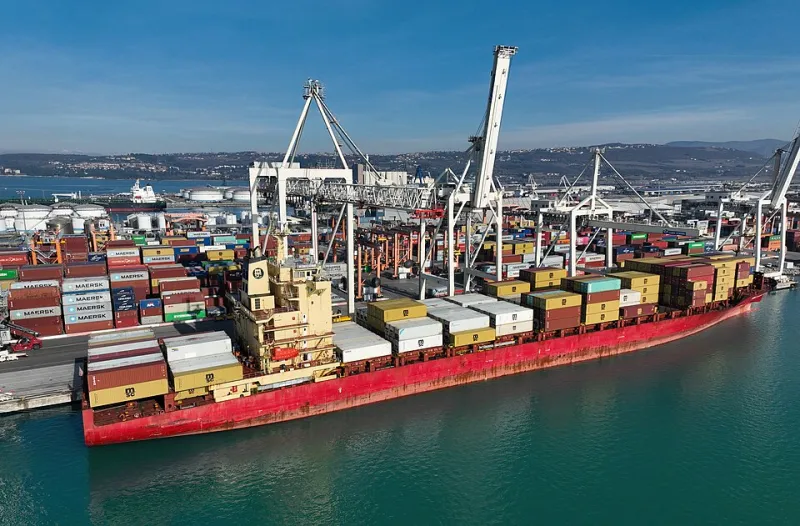
Photo: Petar Milošević, CC BY-SA 4.0, via Wikimedia Commons
There's a moment around 7 p.m. in Shimonoseki when the day-trip crowd evaporates. The tour buses pull out, the Karato Market stalls roll down their shutters, and the waterfront suddenly belongs to the people who actually work here — and to the handful of travelers smart enough to stick around.
If you've only seen the Kanmon Strait in daylight, you've seen half the show. After dark, the narrow channel between Honshu and Kyushu turns into something closer to a highway at rush hour, except the traffic is 200-meter bulk carriers glowing like office towers laid on their sides, and the honking comes from tugboats instead of taxis.
Why the Strait Never Really Sleeps
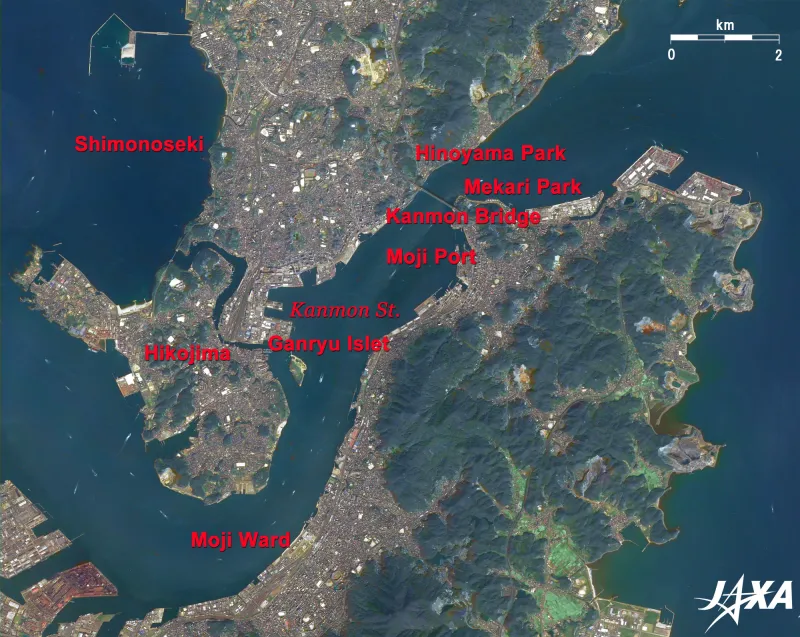
The Kanmon Strait is one of the busiest waterways in Japan, connecting the Sea of Japan with the Seto Inland Sea and, eventually, the Pacific. Big ships don't take nights off. Cargo vessels queue for tide windows and pilot bookings around the clock, and the strait's narrowest pinch — barely 600 meters across — funnels them past Shimonoseki's waterfront close enough that you can read the ship names from shore.
Add in the fishing fleet, which tends to head out or come home under cover of darkness, plus the coast guard patrol boats that sweep the channel on a steady rotation, and you've got a natural light show that repeats every few minutes. For anyone who's ever sat on a beach in Florida watching container ships idle offshore waiting for a port slot, this is the payoff version: the ships are close, the current is fast, and the whole thing happens against a backdrop of two illuminated cities facing each other across black water.
The Best Perches for Night Navigation
You don't need a ticket or a tour. You need a vantage point and a little patience.
Kaikyo Yume Tower area. The waterfront promenade below the tower gives you a straight sightline down the strait. Ships coming from the west squeeze through the narrow section right in front of you, lit bow to stern. The tower itself sometimes stays open into the evening, and the observation deck view — two cities, one glowing river of water — is worth the elevator ride.
The Kanmonkyo Bridge from the Shimonoseki side. At night the bridge is strung with lights, and the long-exposure photo you'll get of a freighter sliding beneath it is the kind that makes your group chat ask if you upgraded your camera. (You didn't. The strait just does the work.)
Mekari overlook. If you have the time and a taxi fare, the viewpoint near the strait's narrowest point feels completely different after dark. The current visible in daylight becomes a dark, churning ribbon, and the ship traffic — especially the big ones running with full deck lighting — passes close enough to feel slightly unreal.
Where the Night Shift Eats
Here's the thing about a working port: the food doesn't stop when the tourists leave.
Around the Shimonoseki station area and the waterfront, you'll find the kind of small ramen shops and izakaya that run late because dockworkers, truck drivers, and fishermen keep them in business. This is not the place for a tasting menu. It's the place for a bowl of rich broth at 10 p.m., a beer the size of your forearm, and a counter seat next to someone who talks about tides the way a farmer talks about rain.
If you want to lean into the theme, look for a spot near the water where the menu is heavy on grilled fish and the TV is tuned to the weather. Order whatever's chalked on the board. In a town that processes more sea urchin and blowfish than almost anywhere in the country, the late-night kitchen knows what's good.
A Simple Evening Plan
Here's a route that works whether you're on a two-week Japan itinerary or a quick Fukuoka side trip:
- Late afternoon: Arrive in Shimonoseki, catch the tail end of the market scene, walk the waterfront as the sun goes down behind the bridge.
- Dusk: Grab dinner near the station or along the harbor — nothing rushed.
- Full dark: Head to the Kaikyo Yume Tower promenade with a convenience-store coffee or a can from a vending machine (yes, that's a completely normal thing to do here).
- Later: One more stop for a nightcap or a second bowl of noodles, then check into a harborside hotel. Several rooms in town face the strait directly, which means the ship lights become your nightlight.
Why It's Worth an Overnight
The honest math: most visitors give Shimonoseki three or four daylight hours and never see the strait at its most atmospheric. Staying the night costs you one hotel booking and buys you the version of this place that locals actually live with — the horn in the distance at midnight, the fishing boats running dark except for their work lights, the hum of a channel that has moved ships for over a thousand years.
Bring a warm layer (the strait generates real wind), a phone with a night mode, and zero expectations of a nightlife scene in the American sense. The entertainment here isn't a bar district. It's the water itself, doing what it has always done, one lit-up hull at a time.